Why does lip permanent makeup fade?
The answer is not hidden in one mistake, but in an ordinary day. Lips speak, drink, eat, smile, become dry, receive care and meet daylight. One such day changes pigment almost invisibly. Hundreds and thousands of those days gradually turn a fresh result into a softer, more transparent tone.
Fading is therefore not automatically a quality failure. Modern lip permanent makeup is designed to last without behaving like a rigid tattoo that stays identical forever. Let us follow what happens between the first morning glance and evening skincare.
Morning reveals the lip’s natural stage
After sleep, lips may appear drier, paler or more strongly coloured by circulation. Indoor air, hydration and natural structure change their appearance. Pigment sits in living tissue and is always seen together with the underlying lip tone. The same colour will not look identical every morning.
This short fluctuation is not true fading. To assess longevity, compare several days in similar daylight. Balm, gloss and hot water affect shine and circulation. An honest photograph shows clean, relaxed lips, not lips immediately after waking or applying care.
A simple three-day check helps: photograph your lips beside the same window each morning, without filters and from the same distance. If gentle care makes the colour clearly visible again, surface dryness was probably influencing the view. If it becomes evenly more transparent across several weeks, that is more likely the pigment's normal development.
Breakfast introduces mechanical reality
Lips form a transition between outer skin and oral mucosa. They move while drinking, chewing and speaking and meet saliva, cups, cutlery and food. These contacts do not simply rub pigment away, but they belong to a living environment where tissue constantly renews.
The inner centre may consequently become transparent before the outer area. This is why a lip PMU refresh is rarely scheduled from a date alone. Centre, border and corners each tell a separate story.
During the day, the body continues working
The body recognises pigment particles as foreign material. Specialised cells hold some and gradually transport another portion away over time. This slow immune response is normal and individual. It does not mean that skin is “rejecting” professionally performed work.
Tissue also renews. Age, hormones, skin condition, circulation and personal healing influence how clearly pigment remains visible. Two clients receiving similar technique and colour can therefore look different after two years.
Outside, light joins the story
UV exposure can accelerate colour change. It does not require a beach holiday; walks, café terraces and daily journeys add up. Suitable lip sun protection supports healthy skin and helps a harmonious result last. Sunbeds and intense unprotected sunlight are particularly unhelpful.
This does not mean avoiding daylight. Practical habits are enough: suitable protected lip care, shade during strong midday sun and reapplication when needed. During healing, always follow the individual instructions from the studio.
Evening care can help or try too hard
Gentle care supports an intact barrier. Aggressive rubbing, frequent scrubs and pulling dry skin irritate the surface. They do not erase PMU like a rubber, but they can make lips unsettled and alter colour perception. More product is not automatically better care.
Professional facial treatments and active ingredients around the mouth also require planning. Mention existing PMU and never change medically prescribed products without guidance. Skin health matters more than trying to hold pigment at maximum intensity.
The first treatment determines how colour may age
Technique, depth, colour choice and pigment quality shape later fading. Colour placed too superficially may disappear quickly; work placed too deeply can blur or become difficult to correct. A very dark tone does not automatically last more beautifully. It may look harder as it ages than a deliberately transparent blend.
Olga Keller uses certified German-made pigments free from heavy metals and iron oxides. She does not plan lips for the boldest photograph immediately after treatment, but for natural healing and graceful softening. Her permanent makeup philosophy is simple: the result should look as though nothing was done.
Olga is a state-trained cosmetician with a medical foundation and a Berlin microblading pioneer since 2013. Nearly 13 years and thousands of successful treatments have sharpened her understanding of pigment development. Clients travel from Germany and abroad, while known personalities and politicians trust her discretion. She declines unsuitable treatment, and hundreds of five-star reviews support this standard.
When colour softens evenly, that is often a good sign. Assessment becomes useful when centre and border no longer connect, tone changes noticeably or daily correction returns. The current base then determines whether refreshing, waiting or another plan is right.

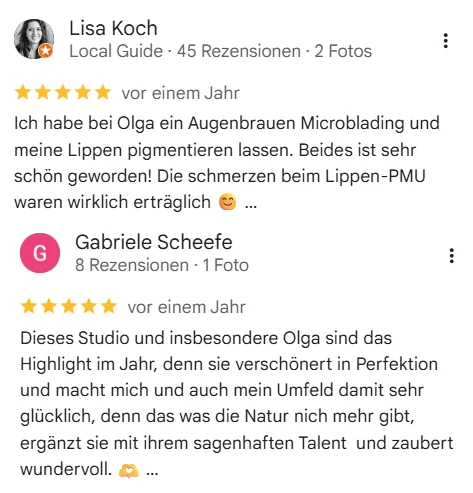
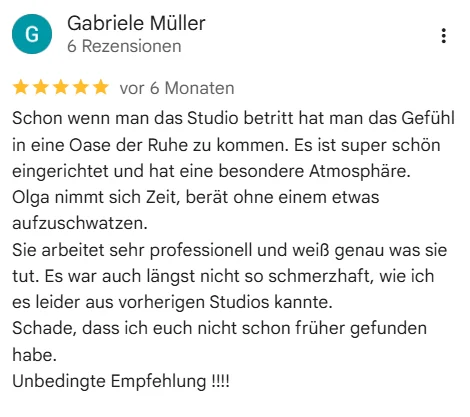








Many regular clients return to Olga and new clients often find her through recommendations, so the right appointment may require a little advance planning. That brief wait is a positive expression of long-term trust and carefully reserved time.