

When is a permanent makeup refresh no longer possible?
A refresh sounds like a small, uncomplicated service: replace faded colour, settle the outline and finish. Yet every technique eventually reaches a limit. This is not because permanent makeup becomes “too old” on a particular birthday. It happens when the existing base can no longer carry additional colour responsibly. At that point, no protects the face better than a quick appointment.
A traffic-light model makes the decision easier to understand. Green means the old shape works, residual tone is light and skin is calm, so a PMU refresh is realistic. Amber means assess, wait or prepare first. Red means new pigment would make the situation denser rather than better. The signal can change as the base fades.
Green light: a sound foundation remains
Green is not a guarantee, but it describes a reliable starting point. Shape sits within natural proportions, pigment remnants are even and sufficiently light, and visible skin remains between old strokes or shading. The area is fully healed, calm and free from unusual changes that require a different kind of assessment.
Olga then adds only what is genuinely missing. With refreshed permanent brows, this may mean a few soft strokes or an airy veil. Lips may need improved balance, while eyeliner needs several small gaps closed. The good foundation remains the main character.
Amber light: not today does not mean never
Amber appears when the situation is not yet clear. The last session may be too recent, skin may still be settling or residual colour may be too strong for a dependable forecast. Conflicting information about previous pigments and techniques also calls for patience. A photograph can begin the conversation, but it cannot approve a procedure.
The next step may be further fading, another assessment or targeted colour correction. Unusual skin changes require medical attention first. Prescribed medication must never be changed without medical guidance. Amber is not a dead end; it is a protective pause that gives the next decision better information.
Red light: no optical space remains in the skin
Fine results require visible skin. If old hairstrokes have blurred, dense shading sits underneath or many layers have accumulated, more pigment cannot restore delicacy. This is particularly important with microblading refreshes: new strokes on a saturated surface do not resemble hair. They simply create more darkness.
Lips and eyeliner can also become saturated. A repeatedly reinforced lip border does not soften through another line. A layered permanent eyeliner may gradually become wider. Red means stopping before a wish for freshness turns into a heavy block that will be harder to manage later.
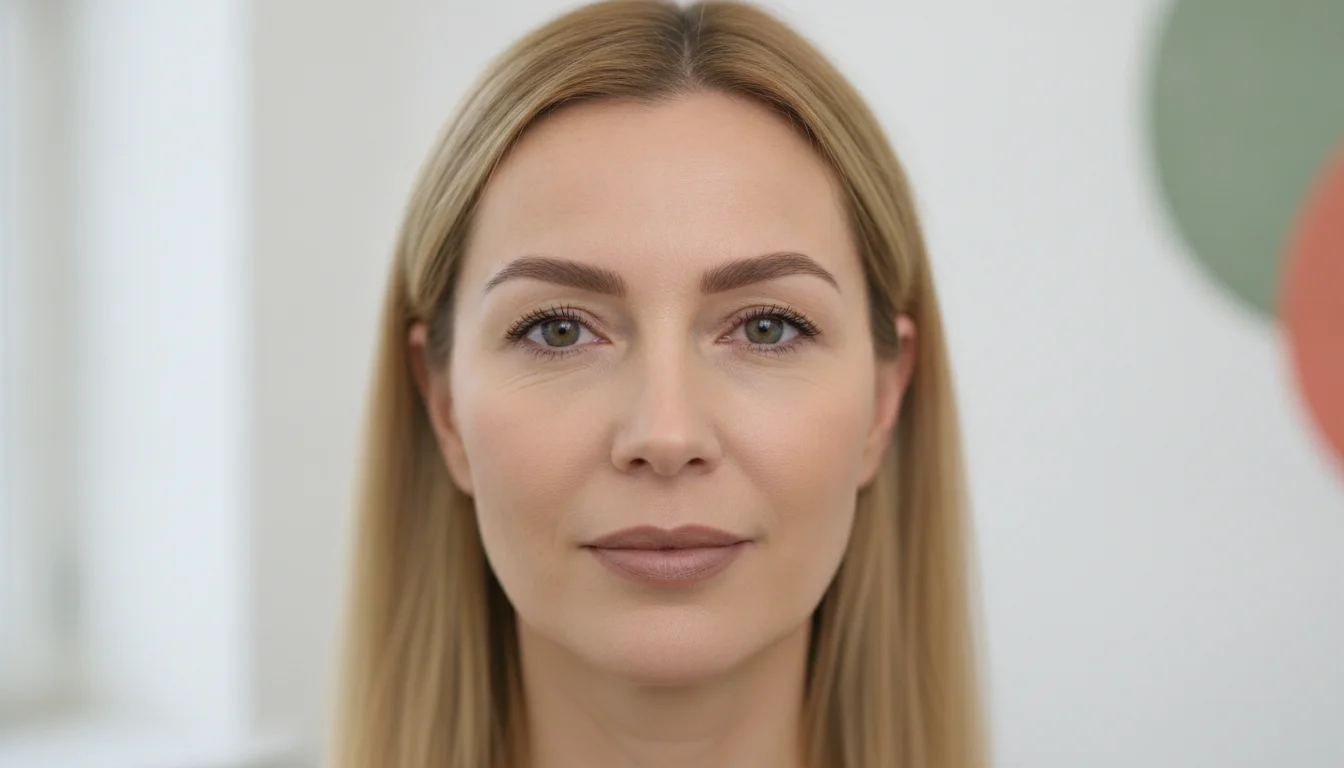
Red light: old shape and new goal conflict
A suitable old shape can be refreshed. A clearly misplaced one cannot be painted invisible. If a brow sits outside the natural hairline, making it wider rarely solves the problem. If lip colour extends beyond the natural border or eyeliner follows an unsuitable route, that information remains under every new layer.
The same applies to a major change of technique. Dense powder shading cannot become airy microblading simply by adding hairstrokes. A dark lip remnant does not automatically turn into a pale watercolour effect. Sometimes the new goal first needs less of the old, not more of the new.
Red light: the remaining tone cannot be covered responsibly
Strong grey, red, orange or very dark pigment may appear calmer immediately beneath a fresh layer. During later fading, however, old and new tones can become visible together. “Neutralising” is not a universal spell. Skin, chemical composition, depth and density all influence what heals.
Olga decides whether a controlled correction is realistic or specialist advice about lightening or removal should come first. She does not promise invisible coverage when the base says otherwise. Honest assessment before treatment is far easier than correction after healing.
A better plan begins after no
No may mean three things: wait, prepare the base or deliberately stop adding pigment. Bring makeup-free daylight photographs, the approximate year, number of sessions and any known techniques. Do not guess pigment brands. Personal inspection of tone, skin and facial movement remains decisive.
Olga Keller is a state-trained cosmetician with a medical foundation and a Berlin microblading pioneer since 2013. Nearly 13 years and thousands of procedures have sharpened her ability to recognise limits. Clients travel from Germany and abroad, and known personalities and politicians trust her discretion. She uses certified German-made pigments free from heavy metals and iron oxides and consistently declines unsuitable work.
Her philosophy is naturalness: the result should look as though nothing was done. Hundreds of five-star reviews on Google, Treatwell, Facebook and other platforms show that clients value this honesty. Let Olga assess your personal traffic light instead of adding colour on a guess.











Many regular clients return to Olga and new clients often find her through recommendations, so the right appointment may require a little advance planning. That brief wait is a positive sign of trust in an artist who also knows when to say no.