
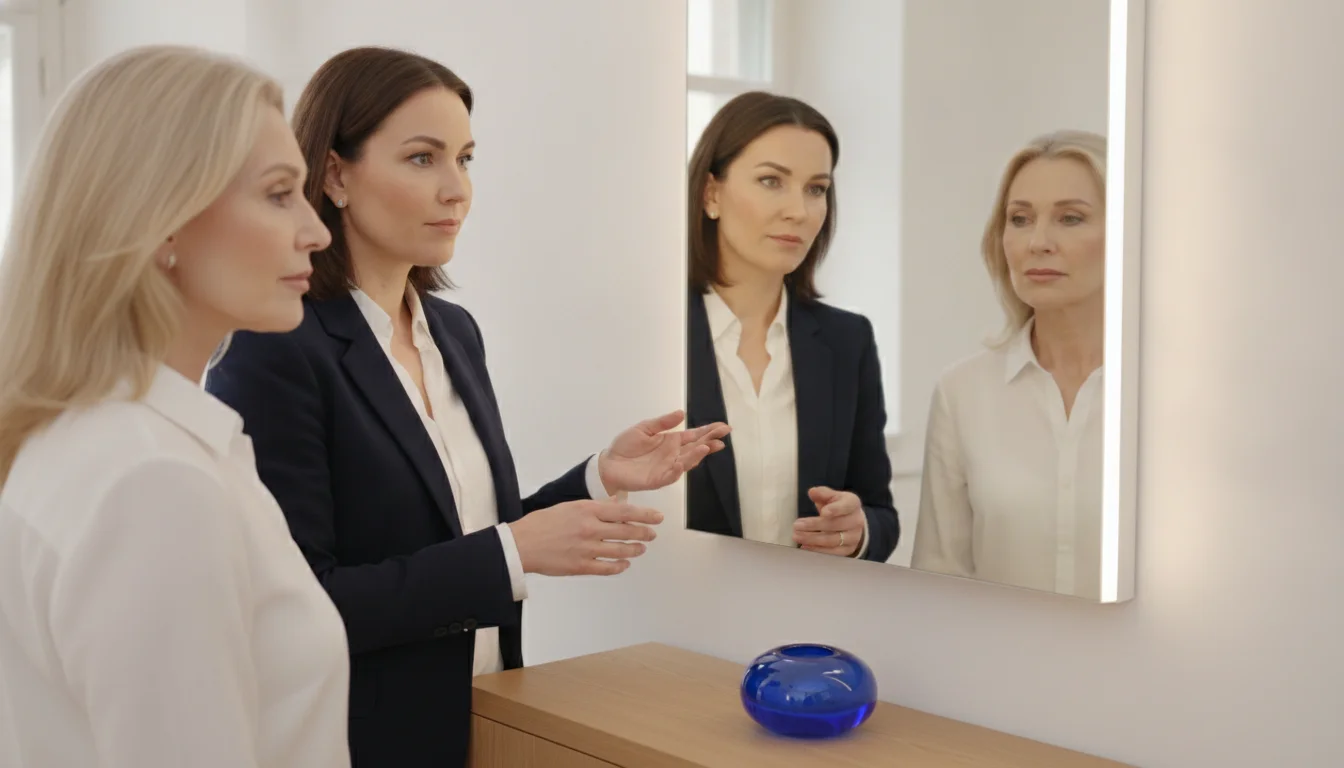
Can permanent makeup be refreshed after five years?
Five years fit into one small number, yet a surprising amount can happen to a face during that time. Skin changes texture, eyebrow hair may become lighter or finer, natural lip colour appears different and personal style sometimes moves in a new direction. Anyone considering a permanent makeup refresh after this time needs more than a general yes or no.
In principle, permanent makeup can still be renewed after five years. Sometimes a gentle refresh is possible; sometimes the work should be planned like a new pigmentation. In other cases, an unwanted remainder must fade further, be corrected or professionally lightened first. The number of years does not make the decision. What remains in the skin today does.
Five years are not an expiry date
Pigmentation does not suddenly become “too old”. It changes in small steps. Colour loses intensity, contours soften and different areas respond differently to sun exposure, metabolism and skincare. After five years, one piece of work may be almost invisible while another still appears very present. Both are entirely possible.
The date is therefore useful only as a reason to take stock. It neither means treatment is automatically required nor that the opportunity has passed. A result that still looks balanced after five years may be best left alone. Skin does not need another layer simply because a round number has arrived.
Older photographs without filters are helpful. They show the original design and how colour and facial features developed together. Something that now seems like a small asymmetry may always have been natural, while a shape that once suited the face may now feel unnecessarily strict.
Four starting points lead to four different routes
The most straightforward starting point is permanent makeup that has faded evenly and very lightly. There is often enough visual space to reconsider colour and shape. With an eyebrow PMU refresh, the old line may be retained, softened or adjusted to the proportions of the face today.
The second possibility is a neutral result that remains clearly visible but has become quieter. If shape and tone are still harmonious and the skin is healthy, a restrained addition may be sufficient. The aim is not to recover the original darkness. It is to return only the clarity that is genuinely missing.
In the third situation, the remaining tone has shifted noticeably towards red, grey or blue, or has become patchy. A new desired shade alone cannot solve this. Corrective pigment visually combines with the existing foundation. Careful analysis must determine whether colour correction is predictable or whether a different sequence is needed.
The fourth starting point is work that remains dense, wide or poorly positioned. More colour will not improve it; it will make it denser. Waiting, lightening or removal may be more sensible. At this point, a professional refusal protects more than a quick appointment.
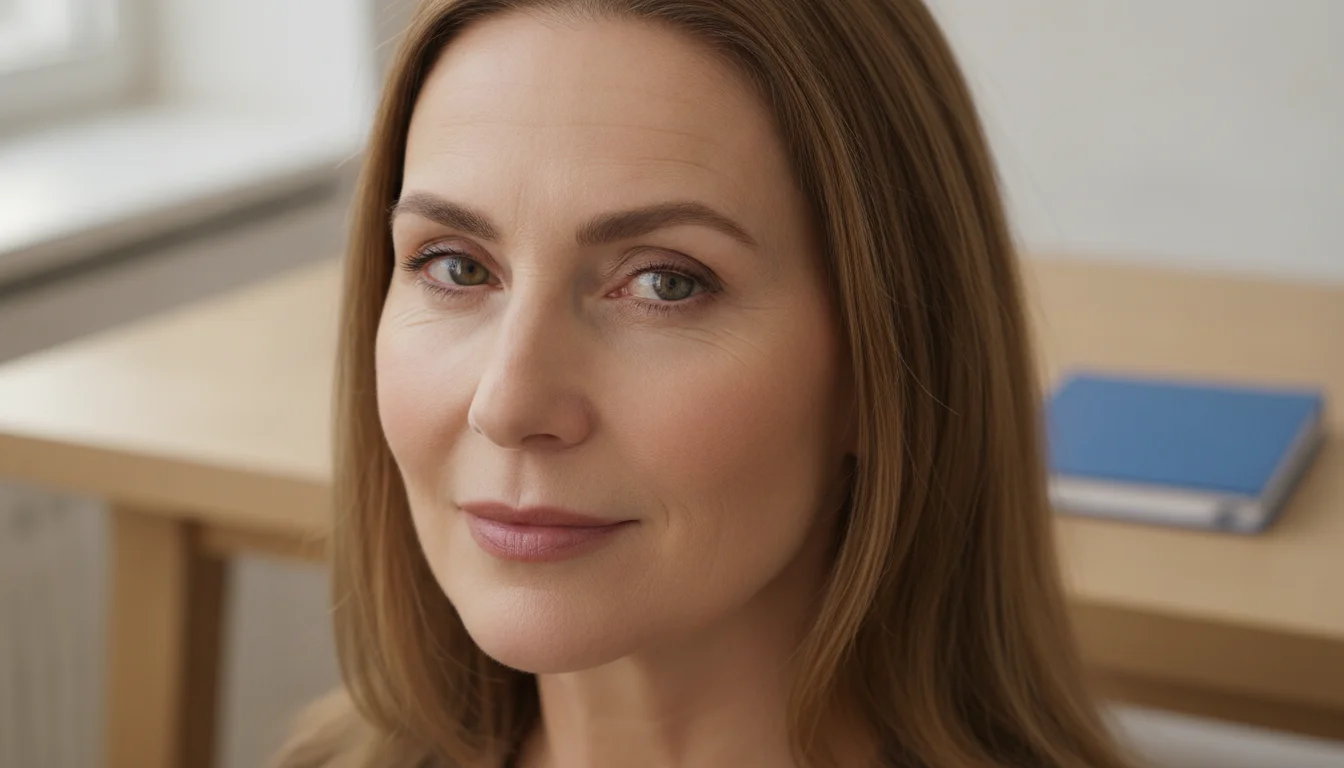
The face has also moved five years forward
During a lip PMU refresh, the remaining pigment is not the only consideration. Lip contour, natural colour, volume and expression may all have changed. Precisely copying an old drawing would not automatically produce the most harmonious solution. A softer, newly balanced design often looks more natural.
The same applies to a permanent eyeliner refresh. The eyelid may sit differently after five years, and a line that used to be ideal can now appear heavier. Simply making it wider would be convenient but rarely forward-looking. What matters is how the eyes look now.
Hair colour, glasses and everyday makeup also alter the frame. Perhaps a clear dark brow was once welcome, while a more transparent result suits the client today. A refresh should not preserve the past unchanged. It should support the present face.
Why “exactly as before” is not always the best goal
Many clients bring a photograph taken immediately after their first treatment. It provides useful information, but it is not a stencil. Fresh pigmentation is more intense, while camera, light and styling influence the memory. The best long-term result is rarely created through exact copying.
Five years also provide new knowledge about the skin. We now know which areas faded faster, how the tone developed and whether the shape worked in everyday life. This information is an advantage. An experienced expert uses it as a map for the next design.
With previous Microblading, it is particularly important to see whether clean skin remains between old strokes. If many lines have merged, tracing individual hairs cannot restore fineness. A different technique or further fading may then be more appropriate.
How a responsible plan is created
A serious assessment begins in daylight and without opaque makeup. Remaining colour, density, shape, symmetry and skin condition are examined. Previous treatments, reactions, medication and current wishes also belong in the conversation. Photographs offer a first impression but cannot replace seeing the skin in person.
Several honest answers may follow: refresh gently now, design from the beginning, continue observing, plan a colour correction or lighten before new pigmentation. “Not yet” is also a useful result. It preserves the possibility of working more naturally later.
Be cautious with promises to cover every old treatment in one appointment. Skin is not paper on which one colour simply conceals another. Pigments interact with each other and remain visible through the skin. A good plan respects that transparency, even when it requires more patience.
Olga Keller decides for the result, not the calendar
Olga is a state-trained cosmetician with a medical foundation and has pioneered Microblading and permanent makeup in Berlin since 2013. Almost thirteen years of experience and thousands of successful treatments mean that she has followed many of her own results over long periods. She knows fresh work as well as its reality five years later.
Clients travel from Germany and abroad, while well-known figures and politicians trust her precision and discretion. Olga uses certified German pigments free from heavy metals and iron oxides. Her goal is not maximum colour but naturalness: the result should look as though nothing has been done. If another pigment layer cannot achieve that, she declines treatment.

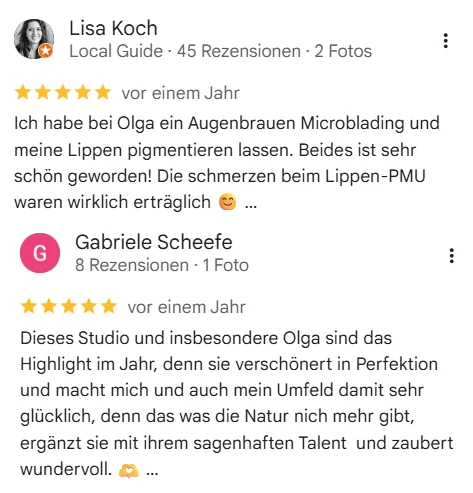









Olga personally cares for many returning clients, and new clients often find her through recommendations, so a suitable Berlin appointment may require some advance planning. Enquire early; a short wait is a positive sign of established trust and carefully planned treatments.