
Should lip permanent makeup be refreshed or repigmented?
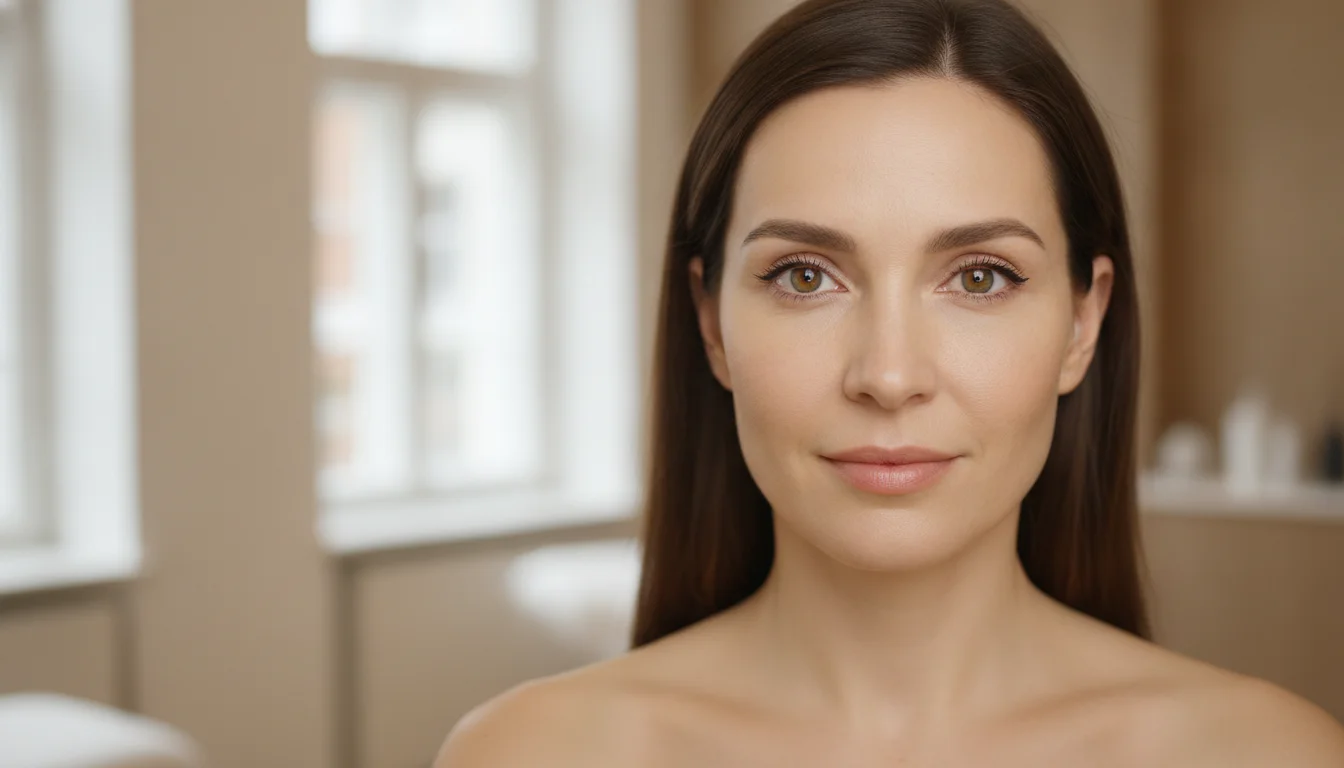
The important decision is not made while clicking a treatment name. It begins beside a window, without lipstick and without a filter. That is where existing lip permanent makeup reveals whether it still tells a good story that has simply become quieter, or whether its shape and colour need a new narrative today.
“Refresh” and “repigment” sound like two fixed products. In practice, they are two different assignments. A refresh keeps a harmonious foundation. Repigmentation rethinks the design. Sometimes the most professional third answer is neither of them yet.
The assessment starts with clean lips, not a menu choice
Gloss and lipstick can visually connect transparent areas, so the lips are first cleaned gently and allowed to settle. Only then can the natural border, dry areas, residual pigment and symmetry be viewed honestly. Immediately after rubbing, a hot drink or lively conversation, circulation can make the colour misleadingly strong.
Olga observes the lips at rest, while smiling and while speaking. A border that looks orderly with a neutral expression may behave differently in motion. Movement around the corners and inner centre helps determine whether an existing design should be continued.
Unfiltered photographs from recent months and approximate details about previous sessions are useful. Nobody needs to guess a pigment brand. More relevant questions are when the work was done, how many sessions followed and how the colour developed after complete healing.
Clue one: A good residual colour supports a refresh
A classic lip PMU refresh makes sense when the remaining tone is light, even and compatible with the natural lip colour. The shape should still feel harmonious too. Olga does not simply add colour everywhere; she selectively strengthens areas that have lost clarity.
A common pattern is a more transparent inner centre while the outer area remains softly visible. Small gaps may also be balanced. The aim is not to reproduce the bold appearance immediately after the original treatment. A thoughtful refresh respects today’s foundation and can be more delicate than the previous version.
Faded colour by itself is therefore not a reason to begin again. When proportion, undertone and density are still right, a completely new plan would change more than necessary. The existing work already fulfils its most valuable task: it belongs to the face.
Clue two: A changed shape or goal needs fresh planning
Repigmentation does not mean inserting the largest possible amount of colour. It means measuring again, choosing the target tone anew and planning the structure from the beginning. This may be appropriate when almost no previous pigment remains or when the old design no longer suits the face today.
Preferences change as well. A clearly rosy result may have felt right before, while today the client wants only a neutral, polished veil. Natural asymmetry can also shift after dental work, ageing or changes in expression. Simply making the old line stronger would not answer those changes.
The natural lip border creates a clear limit. PMU can provide optical balance, but it cannot safely draw arbitrary new volume. Responsible repigmentation follows the tissue rather than creating a hard contour on ordinary facial skin. That restraint allows the healed result to age convincingly.
Clue three: A difficult residual tone may require a pause
There is an important third route between refreshing and repigmenting. If old pigment remains very dense, distinctly cool, grey, purple or uneven, it cannot responsibly be hidden under a desired colour. More pigment does not automatically improve a complicated foundation.
Depending on the finding, further fading, a targeted colour correction or professional assessment for lightening may be wiser. That is not a disappointing refusal; it preserves future possibilities. Every additional layer affects what can still be achieved at a later treatment.
Irritated, unusually altered or incompletely healed skin also needs rest or medical assessment first. Prescribed medication should never be stopped independently for a PMU appointment. Lip health takes priority over keeping a preferred timetable.
Three sets of lips can have three correct answers
Case one: The shape still suits the face, the residual tone is an even soft rose and only the centre is lighter. A careful refresh may be enough. Case two: Almost no pigment remains and the desired colour has changed significantly. A new plan is generally more honest.
Case three: The border remains dark while the centre looks patchy and cool. Immediate layering would be the riskiest shortcut. Waiting or preparatory correction may make a better result possible. Although all three clients might say, “My lips have faded,” they do not need the same treatment.
This is why a calendar cannot replace assessment. Two years after the previous session may be early for one person, suitable for another and still too soon for a third. The age of the PMU is only one clue; shape, tone, density, skin and the new goal must agree.
Olga chooses for the healed result, not the quickest booking
Olga Keller is a state-trained cosmetician with a medical foundation and has been a microblading pioneer in Berlin since 2013. Nearly 13 years and thousands of successful treatments have refined her understanding of aged pigment. Clients travel from across Germany and abroad, while known personalities and politicians value her discretion.
She uses certified German-made pigments free from heavy metals and iron oxides. Her permanent makeup philosophy is that a result should look so natural it seems nothing was done. If neither refreshing nor repigmenting promises harmony, she declines the treatment.
Hundreds of five-star reviews support that standard. In a personal appointment, you learn not only which treatment name fits, but why that approach leaves the best foundation for coming years. A good decision can be recognised by the options it protects for the future.











Many regular clients return to Olga, and new clients often arrive through personal recommendations, so the right appointment can require a little advance planning. That brief wait is a positive sign of lasting trust and the time Olga gives each individual decision.