Lips disappear on video calls: more definition without strong lipstick
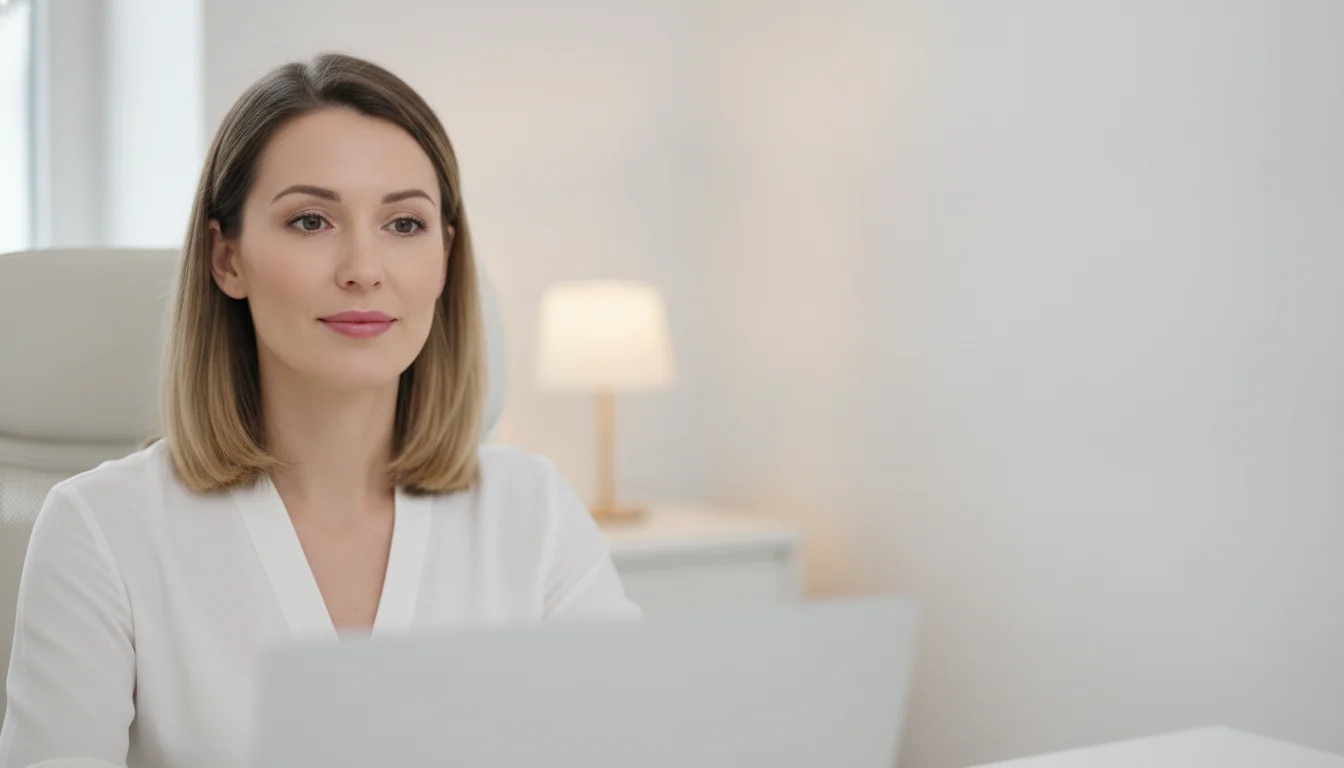
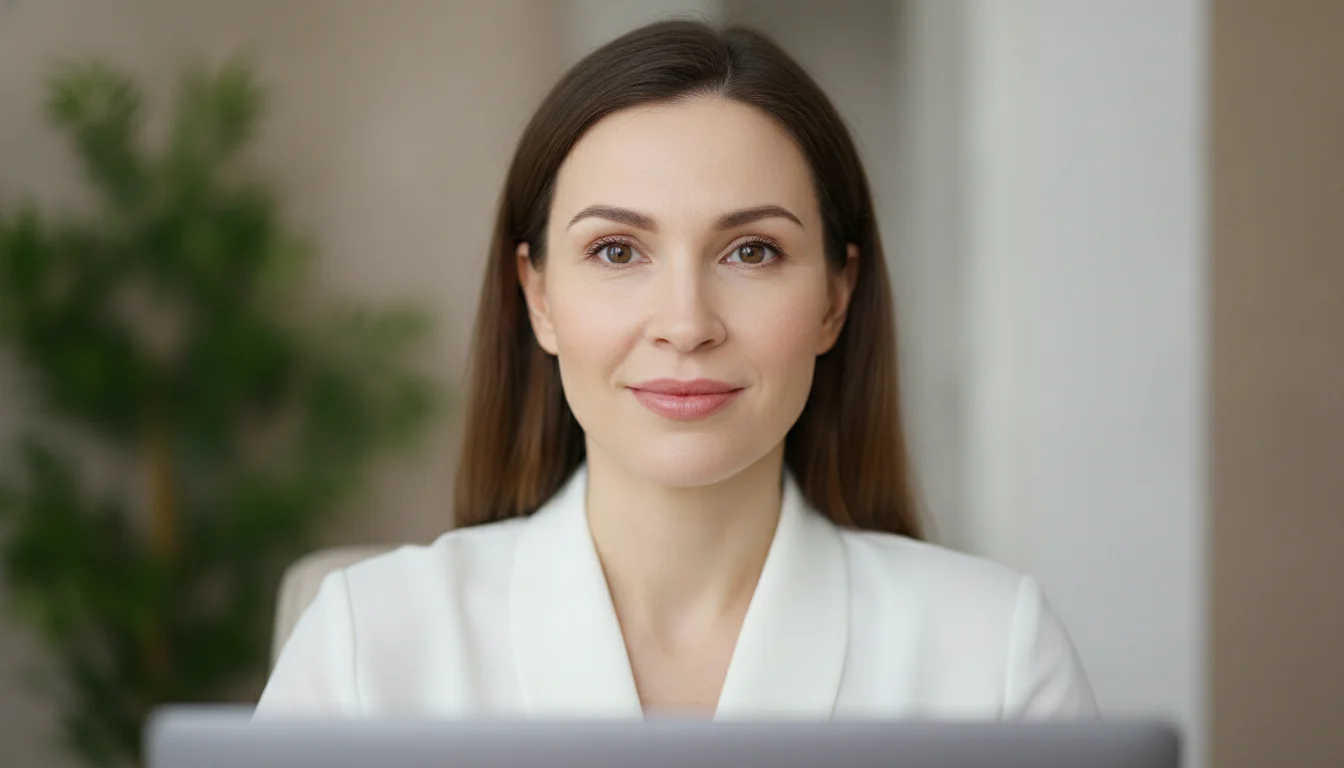
The meeting ends, but the little camera window remains open for a moment. In the mirror you look entirely normal. On screen, however, your mouth seems to have gone missing: pale, flat, slightly tired. A webcam is a remarkably poor make-up artist.
It smooths transitions, compresses subtle colour differences and often displays a face smaller than a postcard. If you do not want bold lipstick for every call, you are not looking for drama. You want quiet, dependable definition. That is where Lip Blush may become relevant.
The webcam steals contrast, not your lips
A natural lip does not have a drawn line around it. Vermilion fades softly into skin, especially near the corners. In a real conversation, the eye reads those transitions easily. A webcam turns them into a small number of pixels, then removes further information through compression.
Automatic exposure brightens your face when the room behind you is dark. Pale lips are lifted at the same time. Video compression groups similar shades together, so skin and lips move visually closer. In a tiny participant tile, little remains of a delicate natural border.
This does not mean that your lips are genuinely too small or colourless. The screen is showing a technically simplified version. Remembering that distinction prevents the most common mistake: changing too much in a real face to solve a camera problem.
Move the light before making colour permanent
Raise the camera to eye level and turn towards a window. Light should reach you from the front and slightly above, not from directly behind. That adjustment alone restores natural depth to the mouth, eyes and cheeks.
If the window is harsh, use a thin curtain. In the evening, a broad soft lamp works better than one small bright bulb. It does not need to be a ring light; what matters is avoiding sharp shadows beneath the nose and lips. A neutral background also stops exposure from constantly hunting.
Turn beauty filters off as a test. Some do more than smooth skin: they blur the lip border and reduce red saturation. If your lips return after these changes, you may need a better workspace rather than a permanent treatment.
More definition does not mean a dark frame
Strong lipstick works on video because it creates maximum contrast. In daylight, the same block of colour can feel heavy. Dark liner solves the screen problem even more directly, but often more harshly: the camera keeps the outline while losing colour from the centre.
Natural definition is built differently. Slightly more colour through pale outer areas, a soft gradient towards the centre and readable corners are often enough. The border should not look drawn; it should simply return to the face.
For one important meeting, tinted balm or translucent lipstick may be ideal. They remain flexible. Permanent pigment makes sense only when the same paleness bothers you away from the camera and you want a calm everyday foundation.
Lip Blush is a foundation, not Zoom make-up
Olga Keller never designs Lip Blush solely from a laptop preview. She observes the client by a window, at conversation distance, while speaking and smiling. Only a colour that belongs to the real face is allowed to help on camera too.
The aim is a translucent base shade that balances pale areas and makes the existing border gently readable. It does not create volume. A very light upper lip, or one that rolls inward when smiling, will not suddenly become larger; it can simply retain more visual presence.
Olga does not pigment beyond vermilion to outsmart a few pixels. Facial skin and lip tissue heal colour differently. An exaggerated outer line would remain visible in real life long after the video meeting ended.
The camera may provide evidence, but not the verdict
Bring screenshots from typical meetings to your consultation if they illustrate the concern. Ordinary unfiltered photographs and a description of your usual lighting are equally useful. Olga can then separate what is technical from genuinely low contrast in the lips.
The desired shade is not copied from the screen either. Cameras alter white balance and saturation. Olga considers complexion, natural lip pigment, tooth shade and everyday make-up habits. The healed colour needs to work in the morning, not only inside one particular app.
If pigment is already present, she checks before a Lip Blush refresh whether the residue has genuinely faded or is merely being lost through lighting and filters. Greater saturation is not automatically the better answer.
Olga Keller designs for the room before the screen
Olga Keller is a state-trained cosmetician with a medical foundation and has been a Berlin pioneer in microblading and permanent make-up since 2013. Nearly 13 years and thousands of treatments have refined her sense of how little colour a face often needs to look awake again.
She uses certified German-made pigments free from heavy metals and iron oxides. Clients travel from Germany and abroad, while public figures and politicians value her discretion. Hundreds of five-star reviews celebrate results that look natural both in an office and on screen.
The best solution therefore begins with a simple test: good lighting, an honest camera angle and no filter. If your lips remain pale and you also want more ease in the mirror each morning, Olga can design a translucent colour. Strong enough for presence. Quiet enough to remain yours.


Olga Keller has many regular clients in Berlin, and numerous new clients arrive through personal recommendations. A suitable appointment may require some notice. Contact the studio early; meanwhile, the seat beside the window is already worth trying.