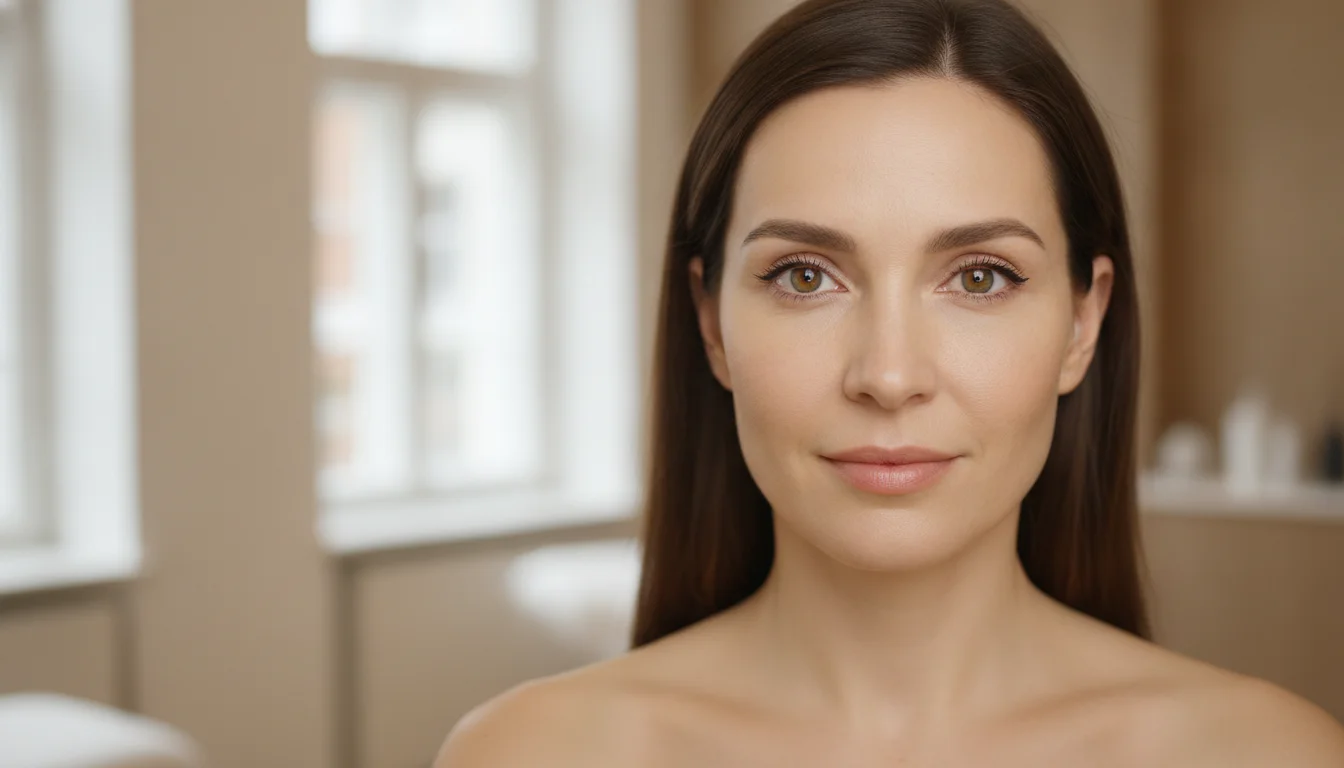

How often does permanent makeup eyeliner need renewing?
This question invites a neat number. One, two or three years sounds orderly and easy to schedule. Skin, however, does not carry a maintenance sticker. Permanent makeup eyeliner is not due like a mechanical inspection; it changes according to an individual rhythm.
The often-mentioned range of roughly one to three years can be a useful prompt for assessment, but it is not an automatic invitation to add pigment. Imagine three small clocks instead. One measures the residual pigment, one measures skin and daily life, and one measures the shape of your eyes today. A refresh makes sense when their hands align.
The pigment clock: softer does not always mean due
Pigment fades gradually. A delicate lash line enhancement may appear invisible sooner than classic eyeliner, even though both retain a harmonious residue. The key issue is not whether the original contrast remains intact, but how evenly and in which hue the line has softened.
A pale, even residue in a suitable position may provide a good base for an eyeliner refresh. A dense, dark line does not automatically need another layer. An unexpected undertone or irregular sections also deserve assessment rather than immediate covering.
Two clients treated on the same day can therefore receive completely different recommendations. Calendar time matches; pigment time does not.
The skin clock: everyday life changes the pace
Skin characteristics, individual metabolic processes, UV exposure, skincare habits and various treatments can influence how visible pigment remains. That does not mean every change is controllable. It explains why a friend's rhythm is not a reliable schedule for your own eyes.
More sun does not mean calculating an earlier appointment by formula. Consistent suitable sun protection and gentle care around the eyes can help, but PMU remains a change within living skin. Products should be used according to directions and kept out of the eye.
Active irritation, inflammation, swelling or an unclear change stops the cosmetic clock. Treatment waits, with medical assessment when appropriate. Renewal belongs only on calm, suitable skin.
The shape clock: an existing line may need fresh thinking
Eyelid tension, the natural fold, facial movement and personal taste can change over the years. There may be enough colour while the old wing no longer supports the open eye ideally. “How often?” then becomes the wrong question. First determine whether the same shape should become visible again.
A refresh is not permission to trace the old border wider or longer. Olga views both eyes open, closed and in movement. Sometimes the present line still fits beautifully. Sometimes a finer interpretation works better, and sometimes old pigmentation limits possible changes.
Your current preference matters too. If you now want only an almost invisible lash root, automatically making former eyeliner denser would miss the point. Permanent design may evolve, but only within a responsible foundation.

Four common rhythms instead of one fixed interval
Rhythm one: after a long time the line is soft, even and still pleases you. Continue observing. Rhythm two: the suitable shape is clearly pale and you repeatedly complete the same areas. A personal check can show whether this is a good time to refresh.
Rhythm three: colour or shape is becoming uneven. Earlier consultation is useful, but does not automatically mean earlier pigmentation. Rhythm four: the line remains dense or the skin is unsuitable. Waiting is then the active professional decision.
An annual look may reassure some clients without producing annual treatment. Assessment and pigmentation are two separate decisions. That distinction removes pressure from the calendar.
Why more frequent work is not automatically better care
Permanent makeup is not hair colour that needs attention at the roots on a fixed cycle. Every new session meets existing pigment and previously treated skin. Working too early or too densely can make the line visually heavier and limit later adaptations.
The goal is not to keep eyeliner at maximum day-one intensity forever. It is allowed to age softly. A well-timed refresh restores missing definition without building unnecessary density. This is why “not yet” can be the highest-quality recommendation.
Bring a photograph of the early fully healed result and details of former sessions if possible. Olga compares more than darkness: she reads hue, position, skin and your present preference.
Olga Keller synchronises your three clocks
Olga Keller is a state-trained cosmetician with a medical foundation and has been a Berlin microblading pioneer since 2013. Almost 13 years of experience and thousands of successful treatments have refined her judgement of the right rhythm. Clients from Germany and abroad, as well as known personalities and politicians, trust her precision and discretion.
She works with certified German-made pigments free from heavy metals and iron oxides. Her philosophy within permanent makeup is naturalness: eyeliner should support the eyes, not become denser through compulsory routine. If a refresh would not be harmonious or the base is unsuitable, Olga refuses it.
Hundreds of five-star reviews confirm this honest guidance. Let Olga assess your pigment clock, skin clock and shape clock in person. The result is not a generic cycle, but timing that genuinely belongs to your eyes.










Many regular clients plan ahead, while new clients often arrive through personal recommendations. The right appointment with Olga may therefore need a little lead time. That short wait reflects established trust and careful assessment rather than rushed routine.