How long does permanent makeup last after a refresh?
After a successful refresh, colour looks clearer, shape feels calmer and the face appears polished again. It is tempting to believe that the longevity clock simply resets to zero. It does not. A permanent makeup refresh never takes place on untouched skin. It meets a history of residual pigment, previous technique, skin response and everyday habits.
There is therefore no responsible number that fits every client and every area. As a broad orientation, refreshed results often remain harmonious for roughly one to three years, sometimes less and sometimes considerably longer. The useful question is not only how many months colour survives, but how evenly it ages and when the face genuinely needs support.
Why the clock does not restart at zero
The first pigmentation introduces new colour information into the skin. A refresh works with what remains. A light, neutral base may receive new colour beautifully. A dense or cool remnant affects how a fresh tone heals and how both layers will appear later. The old result never becomes invisible simply because a new appointment begins.
Skin also carries the history of previous sessions. Areas treated repeatedly may accept pigment differently from untouched skin. This does not automatically mean shorter longevity, but it requires individual planning. Skilled assessment asks not only, “How old is this PMU?” but, “What is the condition of the base today?”
Three histories shape the new longevity
The first is the skin: dry, oily, mature, sensitive or altered by earlier treatments. The second is residual pigment: its tone, depth and distribution. The third is created during the refresh: technique, colour selection and the amount that genuinely needs replacing. These levels can support one another or place limits on the result.
With refreshed microblading, delicate strokes remain most convincing when visible skin stays between them. With refreshed Powder Brows, the aim is an even, airy veil. Adding more colour does not automatically create more years of beauty. Excess density may make the next phase of fading less graceful.
Brows, lips and eyeliner keep different time
Brows are exposed to sunlight, skincare and natural oil production. Lips renew quickly and respond to circulation, lip care and their own underlying colour. Eyeliner sits in a delicate area and may remain visible for a long time, yet repeated layers should not gradually turn a fine line into a broad one.
For this reason, every area does not need an appointment together. Brows may become transparent after two years while lips remain harmonious. A refreshed permanent eyeliner may stay settled for longer. One convenient anniversary for the whole face is not necessarily the most professional schedule.
What influences longevity after the appointment
The initial healing period affects how evenly colour remains visible. Follow personal aftercare and leave flakes or dry areas alone. Later, skin-appropriate sun protection and a coordinated routine help. UV exposure, sunbeds and aggressive combinations of constantly changing active ingredients can accelerate colour changes.
Retinoids, acids, peels and professional skin treatments can be valuable; they simply need thoughtful planning around pigmented zones. Never stop prescribed medication without medical guidance. Skin health is more important than keeping maximum colour. Good care does not preserve pigment at any cost; it supports calm, predictable skin.
The mirror, not an anniversary, gives the signal
A date in the calendar is not a reason for treatment. As long as shape, tone and density remain harmonious, PMU may continue to soften. Assessment becomes useful when larger gaps appear, tone changes noticeably or daily pencil work returns. Even then, a refresh is not automatic. The base must first be suitable for new pigment.
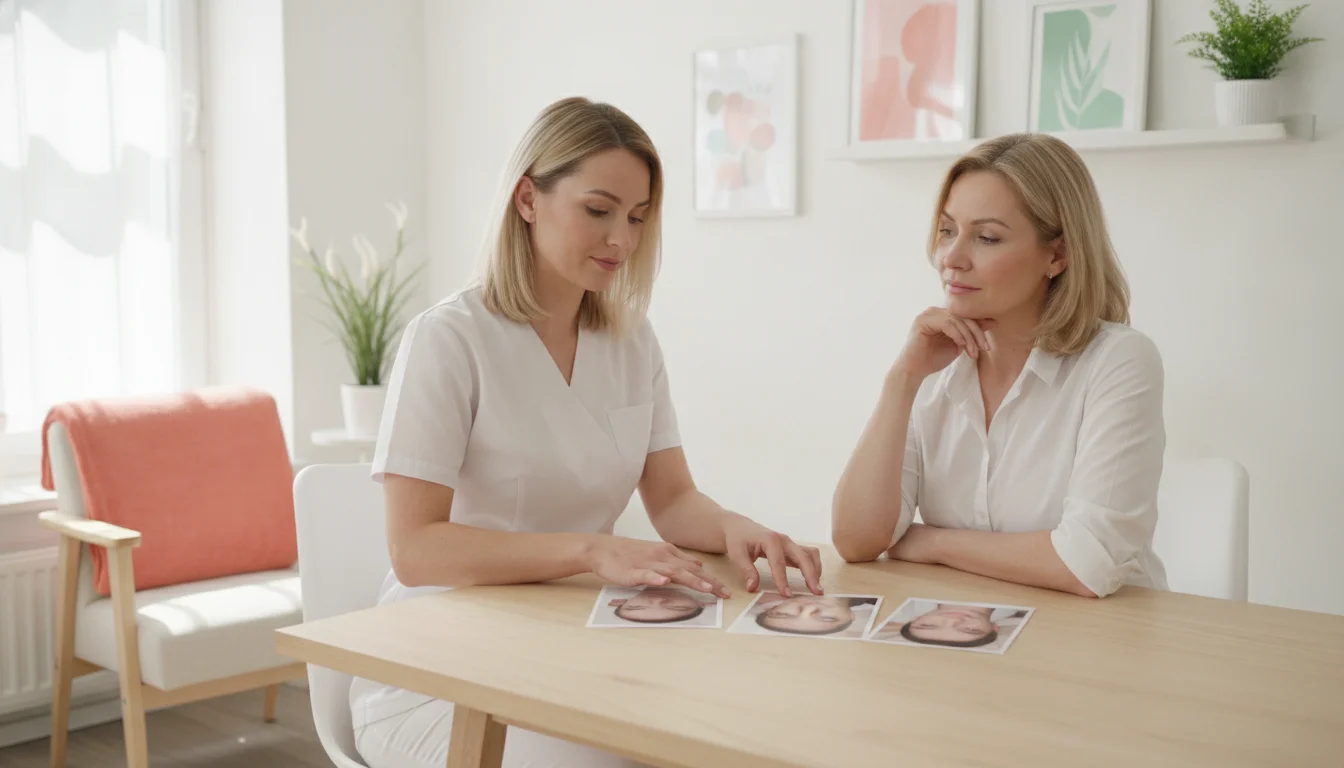
Compare makeup-free photographs taken in similar daylight rather than relying on memory. Look at the whole face, not one pale stroke. Unusual skin changes, inflammation or discomfort require medical assessment first. Cosmetic colour should never hide a health concern that needs attention.
A good refresh already considers the next one
Olga Keller is a state-trained cosmetician with a medical foundation and a Berlin microblading pioneer since 2013. Nearly 13 years and thousands of successful treatments have sharpened her understanding of how pigment ages. Clients travel from Germany and abroad, while known personalities and politicians trust her discreet work.
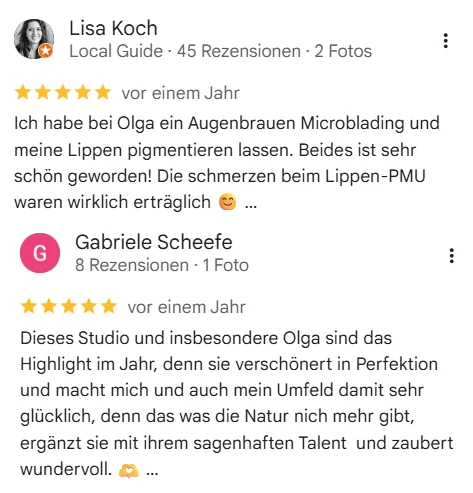
Olga uses certified German-made pigments free from heavy metals and iron oxides. Her philosophy is naturalness: the result should look as though nothing was done. She declines a refresh when additional colour would compromise harmony. Hundreds of five-star reviews on Google, Treatwell, Facebook and other platforms support this responsible approach.










Have your healed refresh assessed personally to learn when another step truly makes sense. Many regular clients return to Olga and new clients often find her through recommendations, so the right appointment may require a little advance planning. That brief wait is a positive sign of long-term trust.