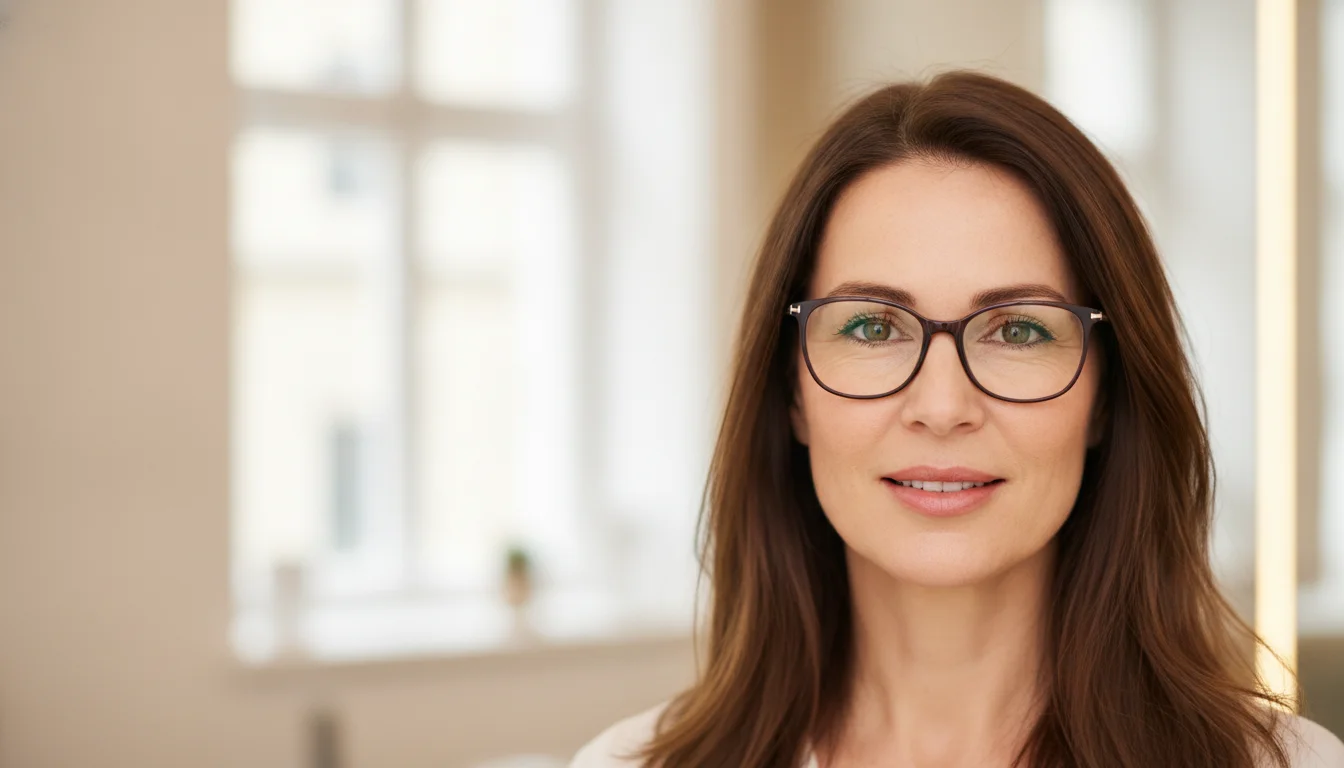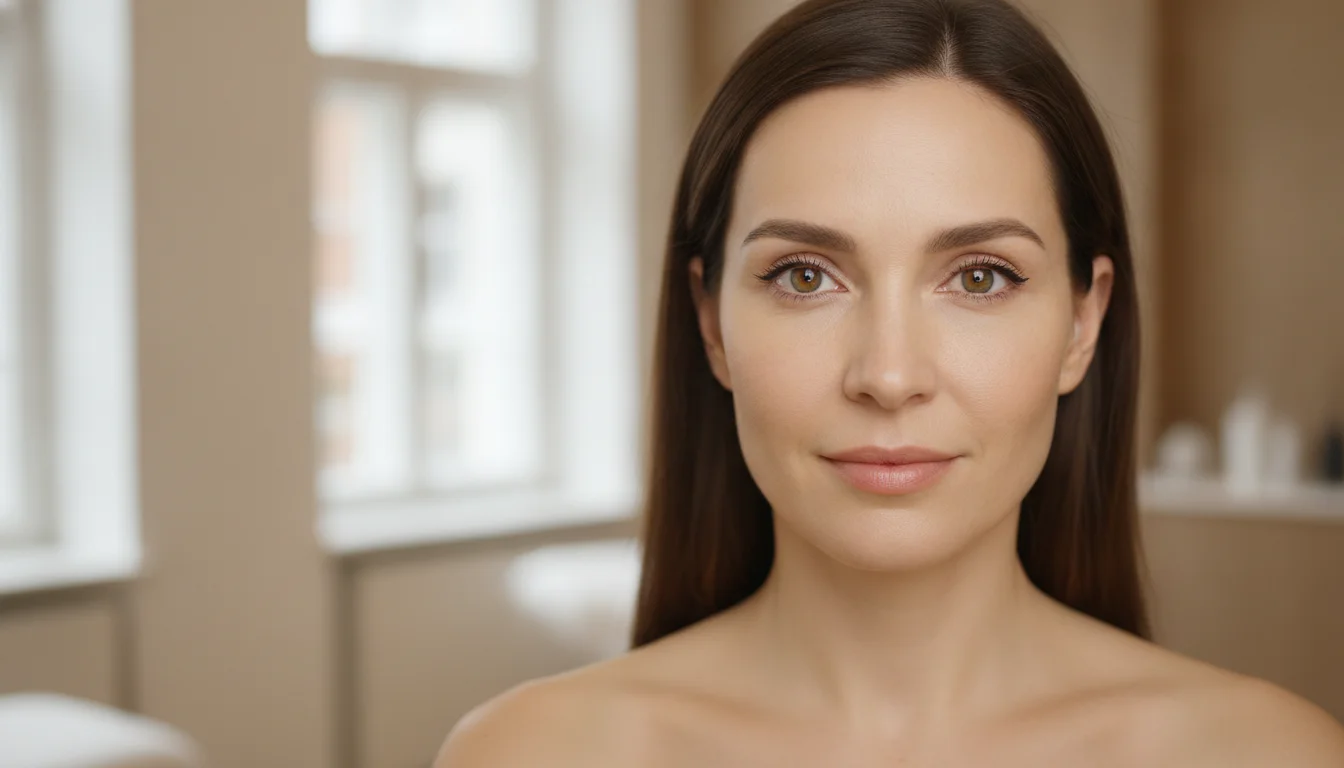
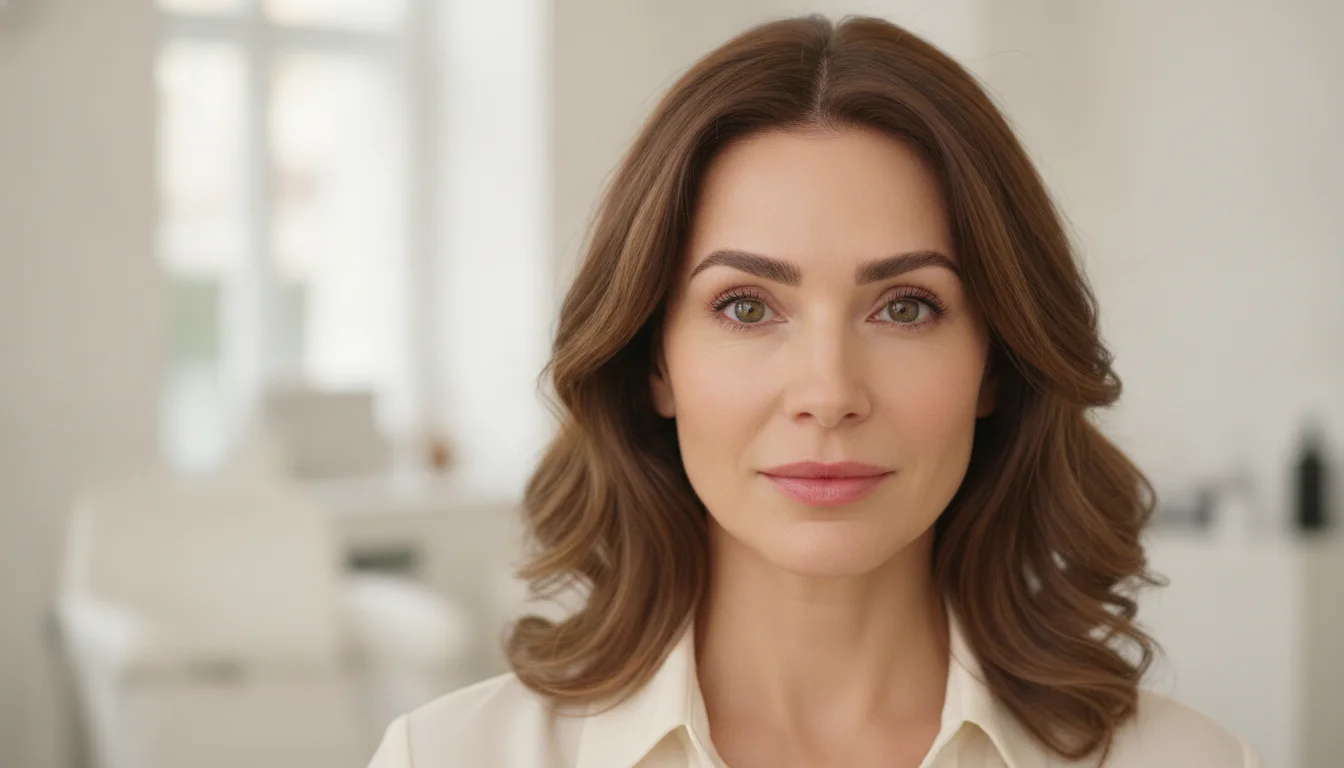
Why do my eyebrows suddenly look asymmetrical in photos?
Everything looked fine in the mirror. Then a photograph appears on screen and one brow suddenly sits higher, one arch looks steeper and the other tail seems shorter. Once you notice it, it becomes difficult to see anything else in the next ten pictures. The immediate question is: have my brows always looked like this?
The honest answer is usually: a little, perhaps, but not in the dramatic way suggested by one image. Camera, perspective and expression enlarge small differences. Carefully planned eyebrow permanent makeup can harmonise stable asymmetry. It should never attempt to repair a random snapshot.
A photograph shows a different face from your mirror
You know your face mainly as a mirror image. A normal photograph restores left and right as other people see them. This unfamiliar arrangement can feel surprisingly wrong even though nothing about your face has changed. The brain notices deviations particularly quickly inside a familiar pattern.
The short distance of a front-facing camera adds another effect. A wide-angle lens held at arm's length enlarges whichever side of the face is slightly closer to the phone. A minimal turn can make one brow appear longer and the other more compact. Position the phone slightly above or below the eyes and the arches change again.
A selfie is therefore not a technical measurement. It is one moment captured with optics designed to fit plenty of image into very little distance.
One eyebrow often moves more than the other
Many people unconsciously lift one brow while speaking, smiling or concentrating. Sometimes one side of the forehead reacts more strongly; sometimes one eye narrows slightly in bright light. A photograph freezes that half-second and turns movement into apparent shape.
The head is rarely perfectly level either. A slightly raised chin, tilted parting or shoulder closer to the camera shifts the imaginary horizontal line. Filters and automatic portrait corrections may alter contours further.
The important question is not whether one eyebrow is higher in one picture. It is whether the same difference returns with a neutral expression, level head and several different photographs.
The five-photo test separates a moment from structure
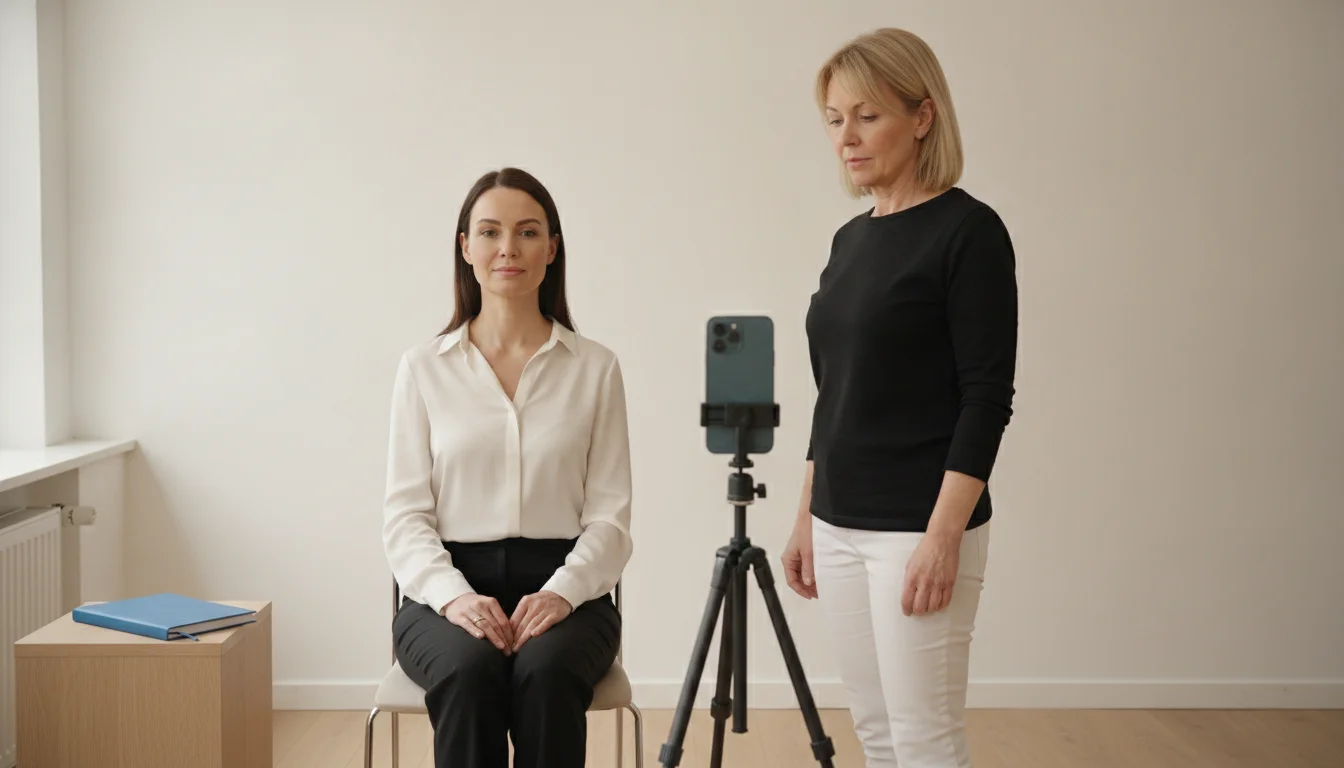
Place the phone's main camera at eye level about one and a half metres away. Use soft daylight and turn off filters. Take five photographs: neutral, eyes closed, a gentle smile, after a short blink and neutral once more. Do not mark the brows or draw grids over the images.
Compare only three points: beginning, highest point and tail. If a difference remains the same in both neutral pictures, it may be structural. If it changes during smiling or blinking, it is more likely part of facial movement. If it disappears with the main camera, selfie perspective was probably involved.
Look at the photographs again the following day. After prolonged zooming, the eye loses its sense of scale and turns one millimetre into a major problem. Nobody sees your face as a frozen close-up during a real conversation.
Natural balancing does not mean mirroring
No half of a face is an exact copy of the other. Bone, muscles, eye height and hair growth differ slightly. Drawing both brows geometrically identical can actually make them look less equal once the face moves. The goal is visual balance, not mathematical sameness.
With Microblading, individual hair-like lines may extend a short section or gently support a flatter arch. The strokes follow existing growth. They are not simply removed from the higher side and added to the lower one.
Sometimes a correction of only a few millimetres at the edges is enough. The middle deliberately remains lively so that expression and natural hair movement do not fight against a rigid drawing.
Powder Brows balance visual weight and contrast
Asymmetry in photographs is not created by shape alone. One brow may be denser or darker and therefore appear higher or larger. Powder Brows can use transparent shading to balance visual weight without sharply outlining both brows.
The lighter brow gains a little depth, a restless edge is visually calmed, and both beginnings remain soft. Assessment with open eyes and normal expression is essential. A beautiful brow must work while you speak, not only on a motionless template.
Sometimes consultation also shows that pigmentation is unnecessary. A different brushing direction, less product at one beginning or allowing a few hairs to grow may already be enough.
Olga Keller designs for your living face
Olga Keller is a state-trained cosmetician with a medical foundation and has been a microblading pioneer in Berlin since 2013. Almost 13 years of experience and thousands of treatments have refined her judgement of expression, proportion and healed results. Clients travel from Germany and abroad, while public figures and politicians trust her precision and discretion.
She works with certified German-made pigments free from heavy metals and iron oxides. Her philosophy is naturalness: the face should look more balanced without losing its personal movement. If a requested correction follows only a distorted photograph or would make harmony worse, Olga declines it. Hundreds of five-star reviews confirm the value of this honest position.
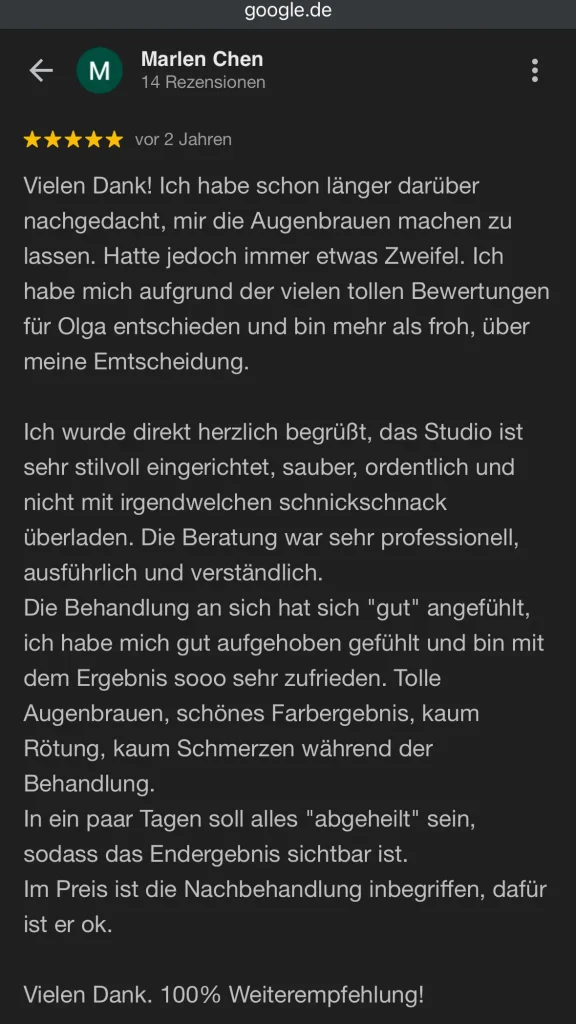
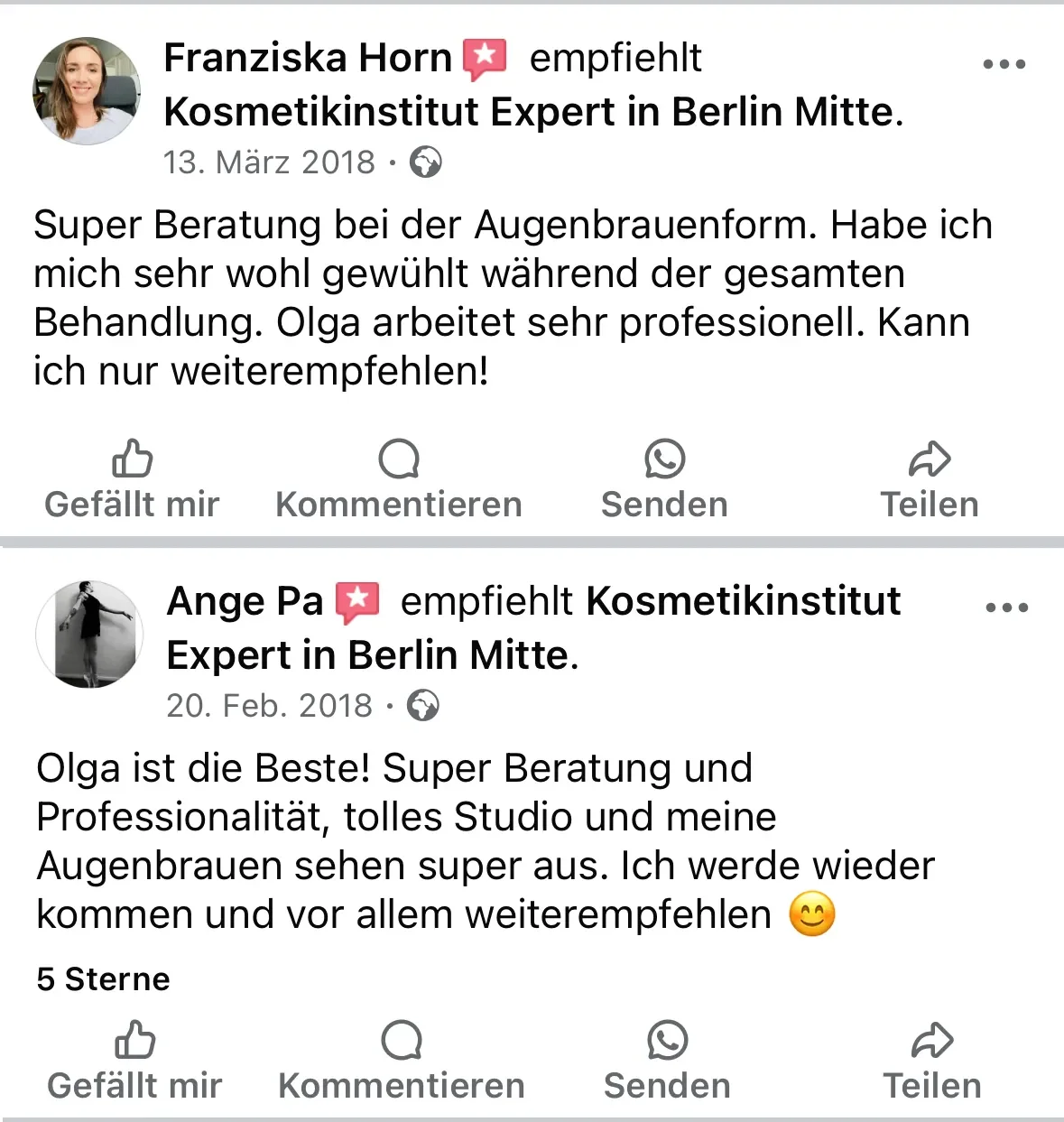
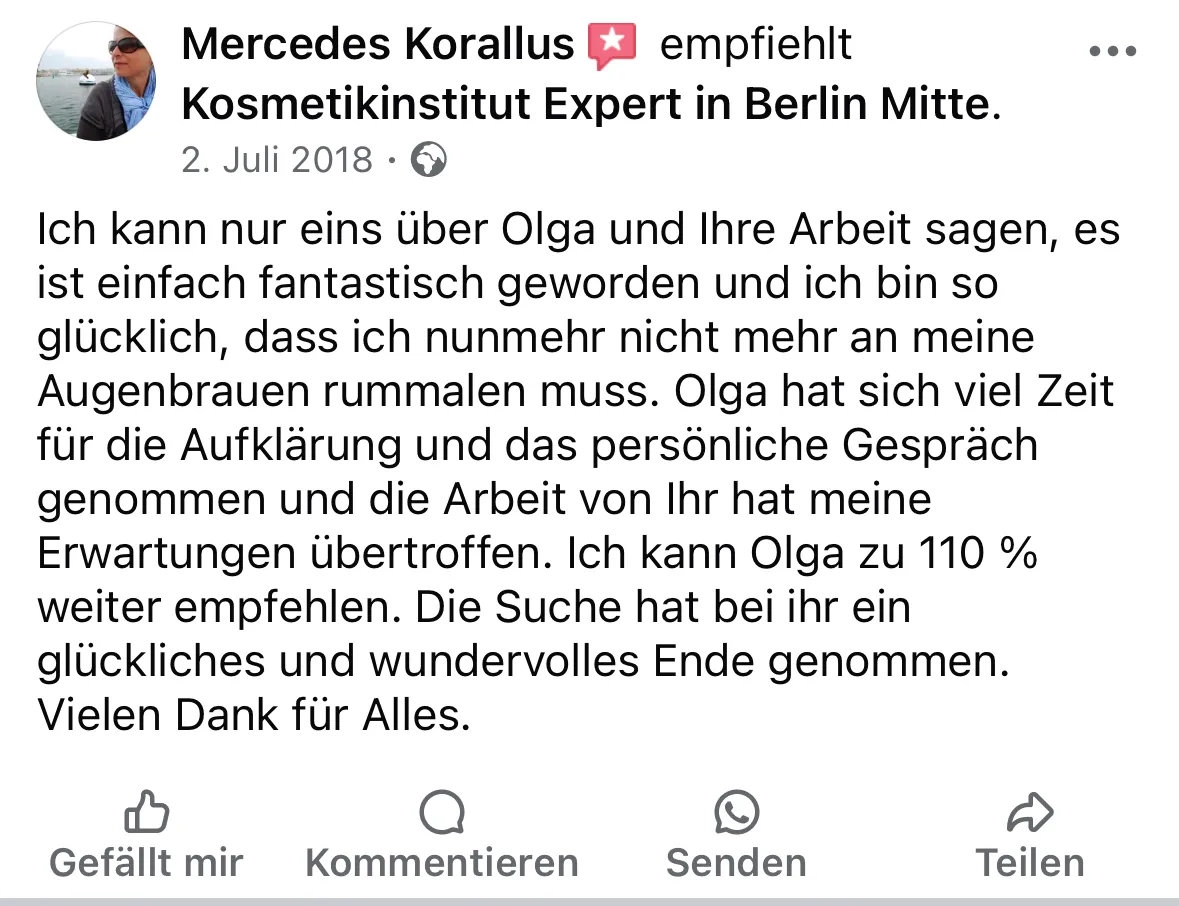
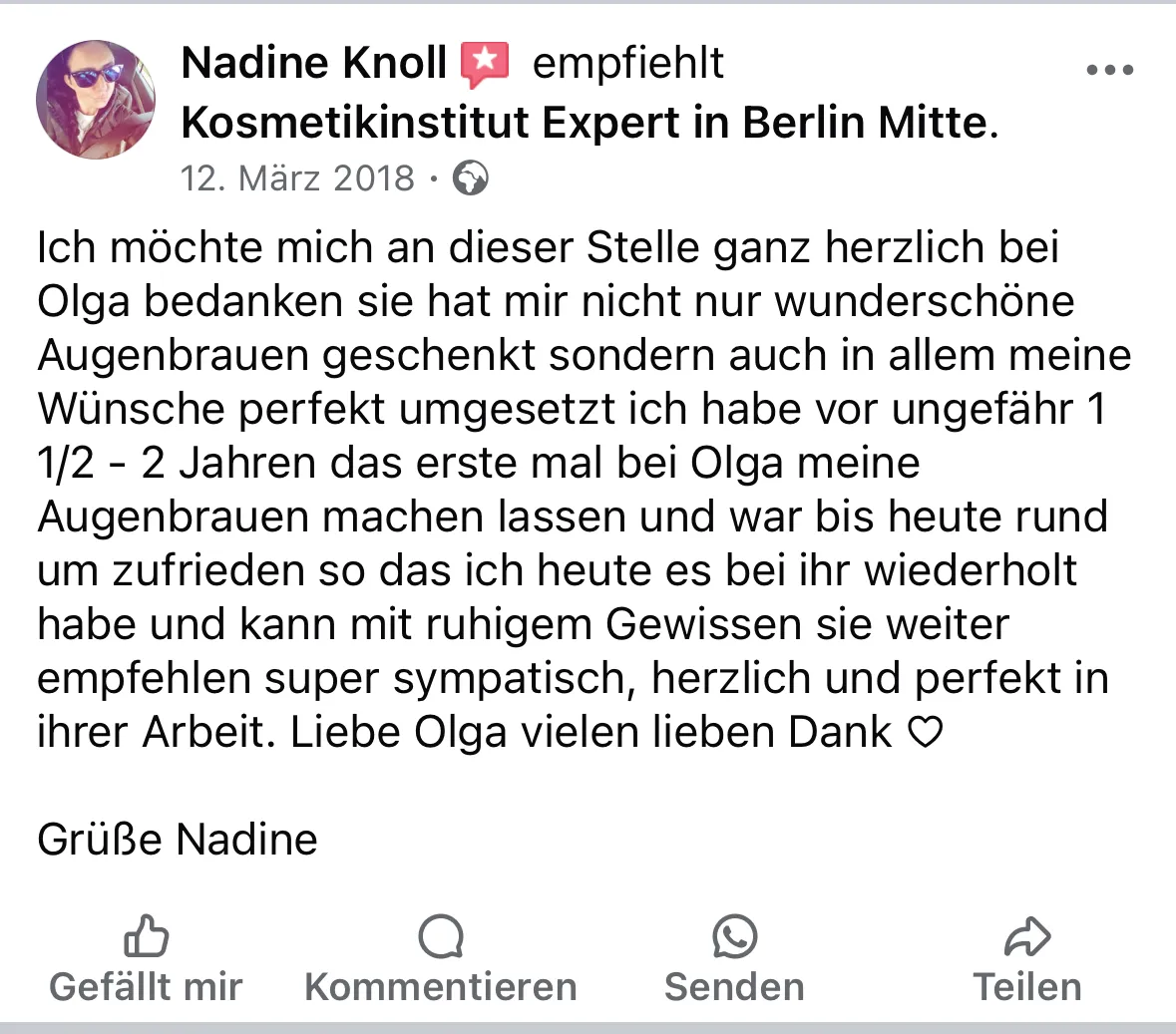


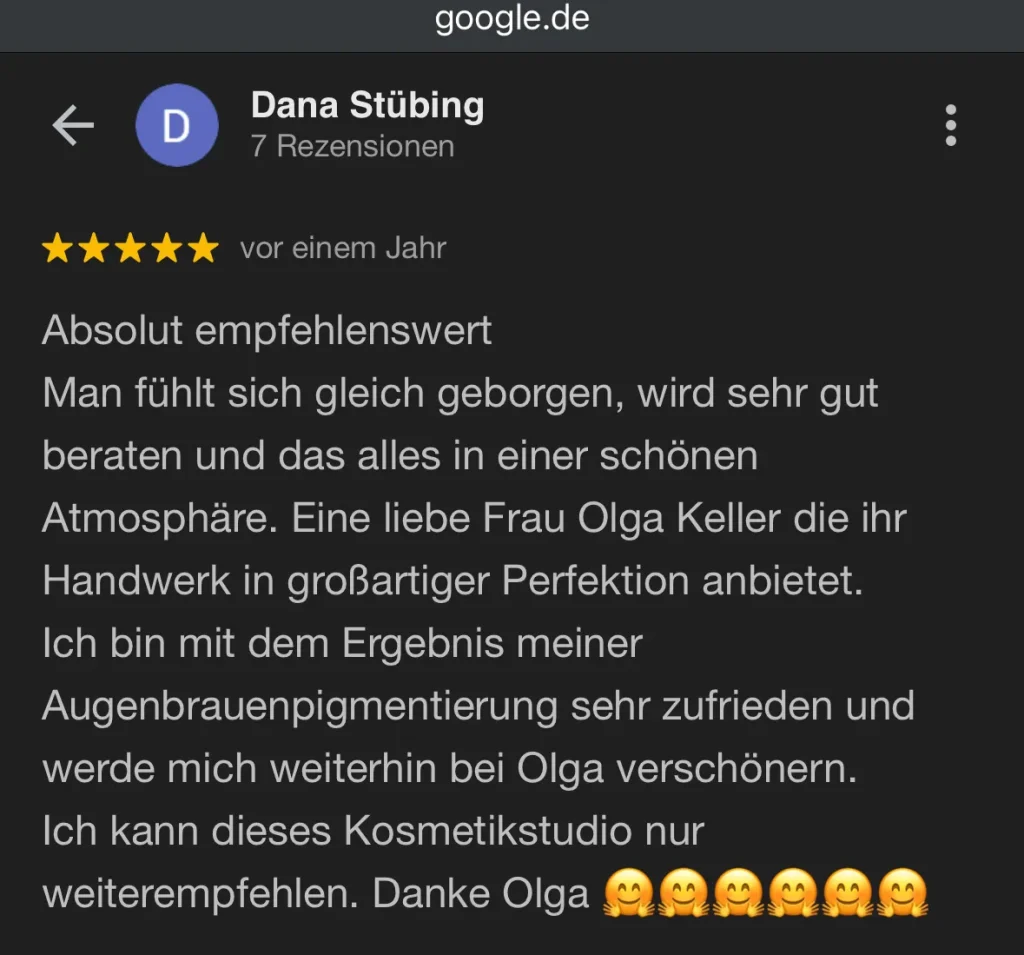
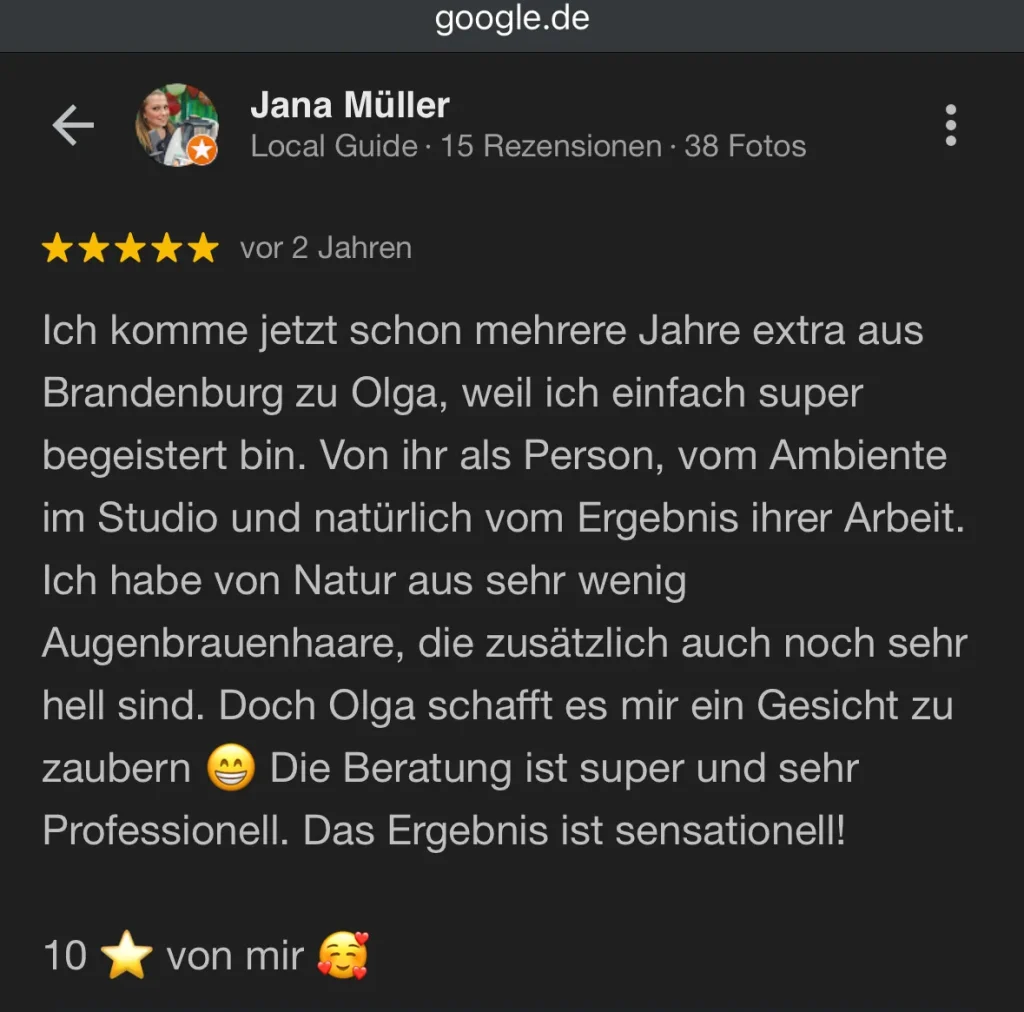


Olga personally cares for many returning clients, and new clients often find her through recommendations. A suitable Berlin appointment can therefore require a little advance planning. Enquire early; a short wait is well invested when your real, expressive face rather than one isolated photograph becomes the foundation.