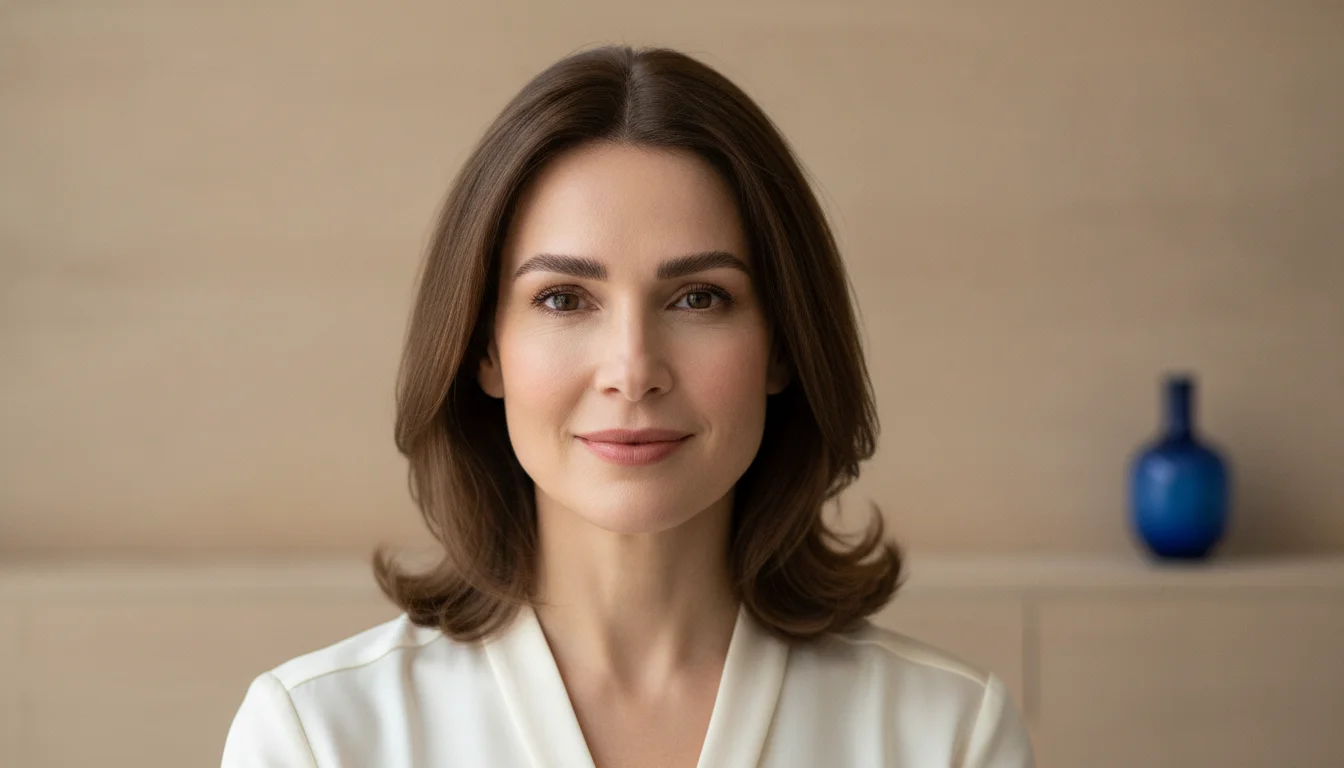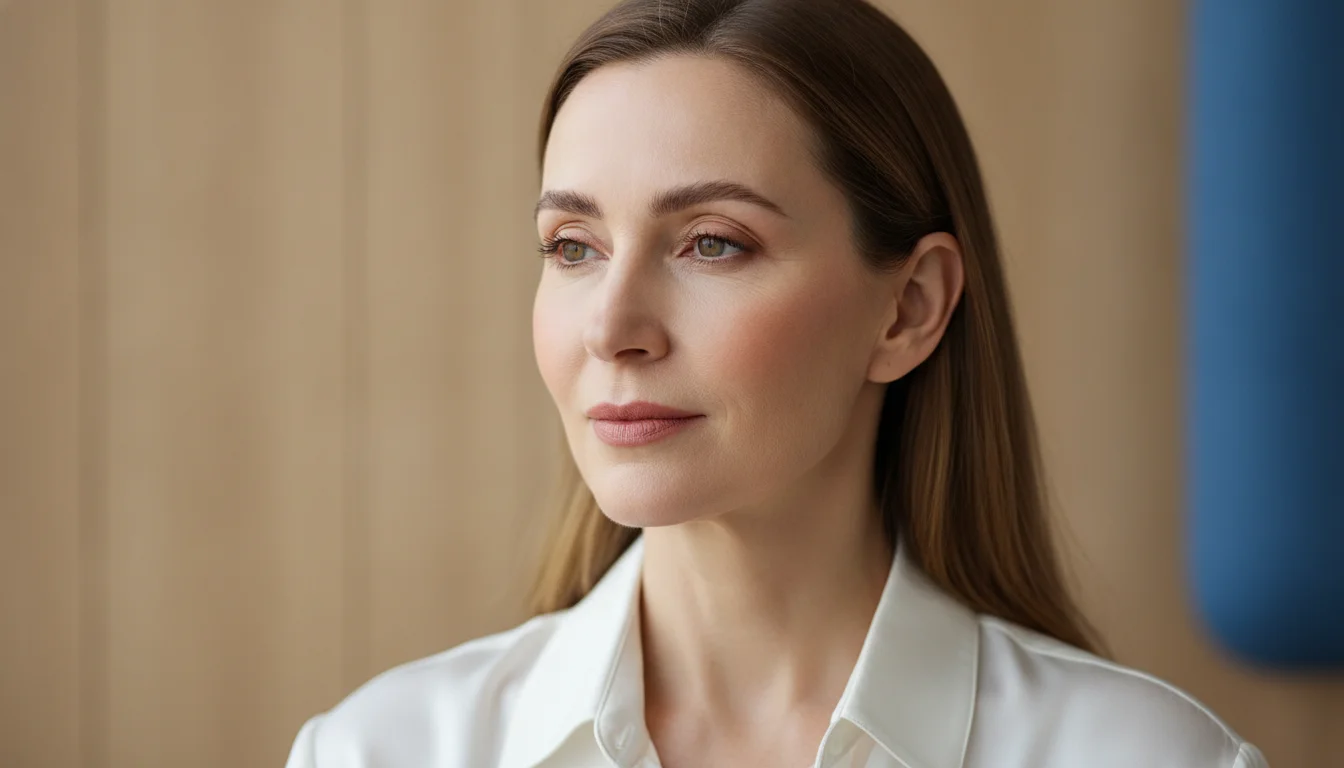
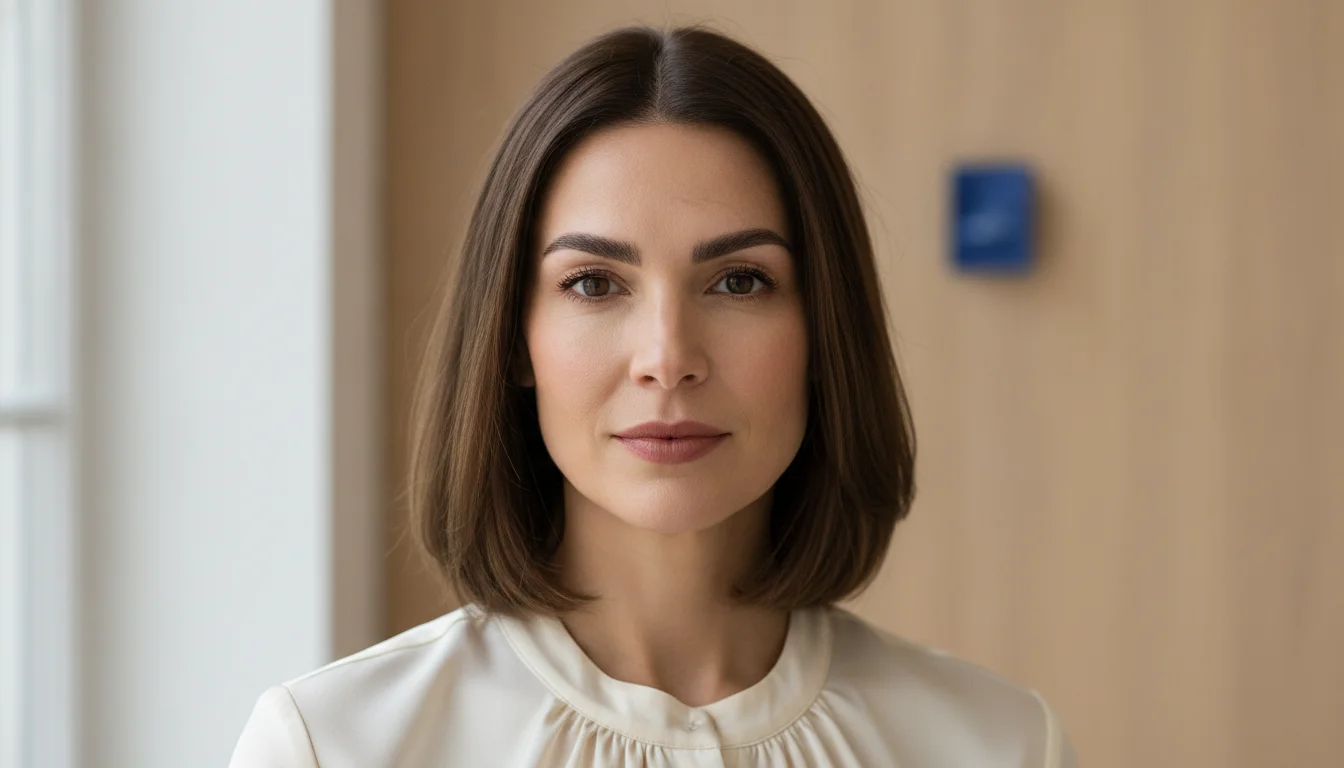
A scar divides my eyebrow: can the gap be camouflaged?
The brow grows densely, then a pale narrow line appears, and the hair continues on the other side. Perhaps the scar came from a childhood fall, surgery or a small injury you rarely think about now. Yet your pencil returns to precisely that place every morning. It is meant to close the interruption, but may sit differently on the smooth patch than it does on normal skin.
An eyebrow scar can often be made visually quieter, but it is not an empty canvas. Scar tissue has a different structure, may retain pigment unevenly and remains a change within the skin. The realistic aim of eyebrow permanent makeup is therefore not to make the scar disappear. It is to connect the hairs on both sides convincingly enough that the eye no longer lands on the gap first.
The scar must be genuinely quiet before colour is considered
A new scar continues to change for many months. It may initially be red, firm, sensitive or raised, then gradually become paler, softer and flatter. Medical patient guidance commonly describes scar maturation as taking 12 to 18 months and sometimes longer. The calendar alone is not enough: the area should be closed, pale, flat and free from symptoms.
If it remains red, itchy, painful, tight or grows beyond the original injury, it should not be pigmented. A hypertrophic or keloid-like scar, and any personal tendency to form excessive scars, belongs with a dermatologist first. Clearance from the treating doctor may be appropriate, especially after surgery or a more complex injury.
The cause also matters. An old cut behaves differently from a burn scar or skin altered by repeated procedures. Olga asks about its age, development, previous treatment and the way your skin usually reacts. A photograph can provide initial orientation, but it cannot replace seeing and gently assessing the area in person.
Why pigment behaves differently in scar tissue
Normal skin has a familiar relationship between its surface, blood supply and elastic structure. In scar tissue, collagen fibres are arranged differently. The area may be smoother, firmer, thinner or slightly indented. As a result, it does not always accept colour as evenly as the surrounding skin.
A fine stroke may heal lighter, remain stronger in one section or lose clarity sooner. This is not a reason to fill the gap with extra colour immediately. Too much pigment during the first session can remain as a dark patch if the neighbouring strokes heal more softly.
Careful planning therefore works in stages. The first treatment creates a restrained optical connection. Only the healed result reveals where the scar retained pigment and whether a cautious addition is necessary. Here, patience is part of the technique rather than a delay around it.
The best camouflage follows the brow, not the scar
When the pale line is the only thing you see each morning, it is tempting to draw directly across its full width. The result can be a dark crossbar that makes the scar more noticeable. A more natural approach reads the hair growth on both sides. Where do the hairs come from, how would they cross the interruption, and how dense is the entire brow?
Sometimes only a few optical hair connections are needed. With a wider pale area, the surroundings may need a little more visual support so that no single stroke appears isolated. The design is judged at normal conversation distance. Skin texture will remain visible from ten centimetres away, while the interruption may barely register within the whole face.
An honest before-and-after comparison does not promise retouched skin. It shows the same scar within a brow that can once again be read as one continuous form. This realistic improvement usually appears more natural and ages more gracefully than an attempt to cover every trace of the injury.

Microblading: a few strokes may bridge the interruption
Microblading may be considered when a narrow, flat scar is surrounded by dense natural brow hair. Individual pigmented strokes follow the existing direction and carry the visual pattern across the interruption. They do not all need to sit exactly within scar tissue; the convincing connection often comes from their interaction with healthy skin beside it.
Whether fine strokes make sense depends heavily on the surface and firmness. On very smooth, uneven or rigid scar tissue, they can heal differently from expectations. Placing many strokes closely together does not solve this uncertainty and may instead create one compact area.
Olga therefore does not decide by technique name. She assesses whether a clear hair effect can realistically heal. If it cannot, she recommends a softer method or declines pigmentation.
Powder Brows can soften a wider break
With a somewhat wider scar, or a brow that is generally pale and diffuse, Powder Brows may look more harmonious. Transparent shading distributes visual weight over a larger area. The scar is not covered with a dark spot; instead, its contrast with the rest of the brow becomes quieter.
Restraint remains essential. A scar may be lighter or pinker than the surrounding skin and can display colour differently. The tone is chosen for the whole brow, not as an opaque concealer for one line. PMU integrates the interruption optically; it is not skin-coloured camouflage.
Sometimes a combination of a few hair strokes and very light shading is suitable. The best solution is not the one using the most colour, but the one using exactly enough for the brow to belong together at a normal distance.
Olga Keller promises connection, not disappearance
Olga Keller is a state-trained cosmetician with a medical foundation and has been a microblading pioneer in Berlin since 2013. Almost 13 years of experience and thousands of treatments give her the calm judgement not to treat difficult skin like ordinary skin. Clients travel from Germany and abroad, while public figures and politicians value her precision and discretion.
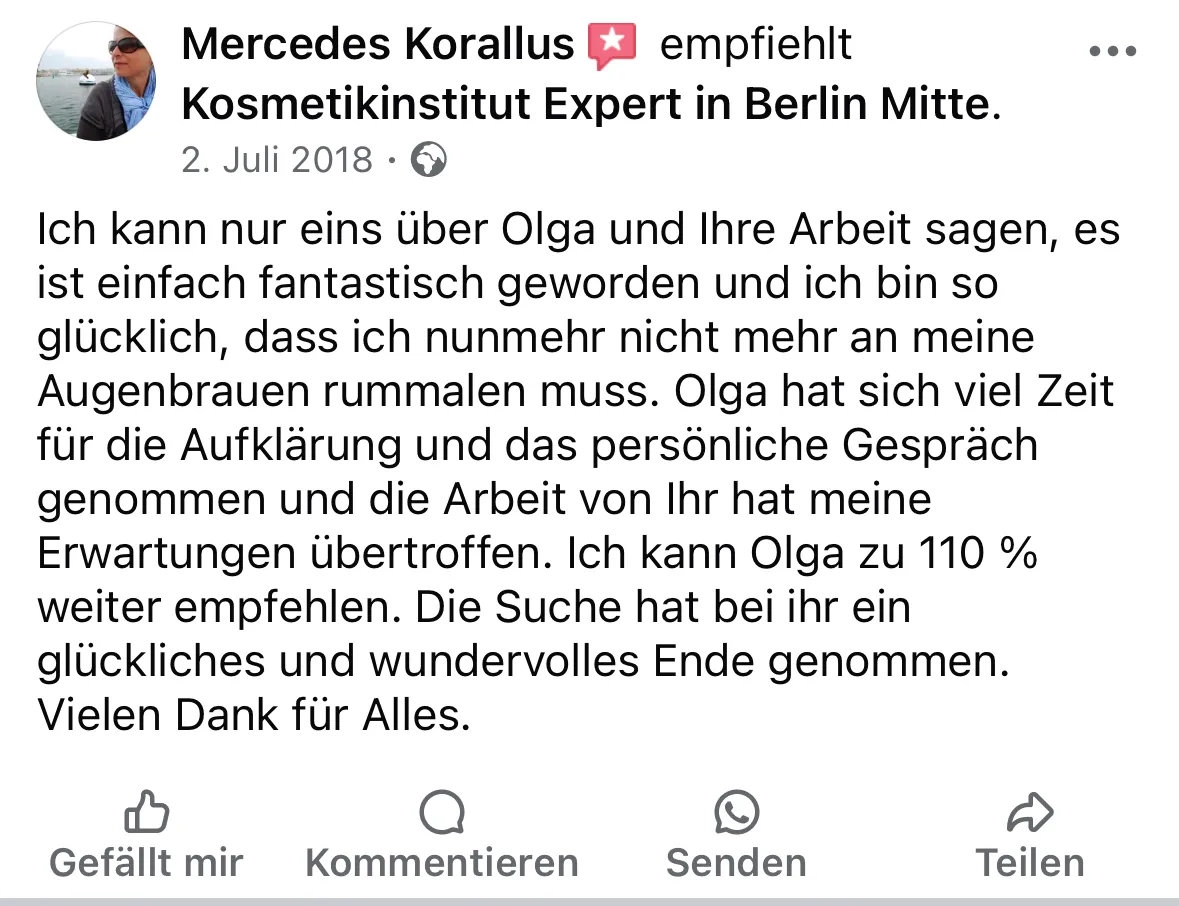
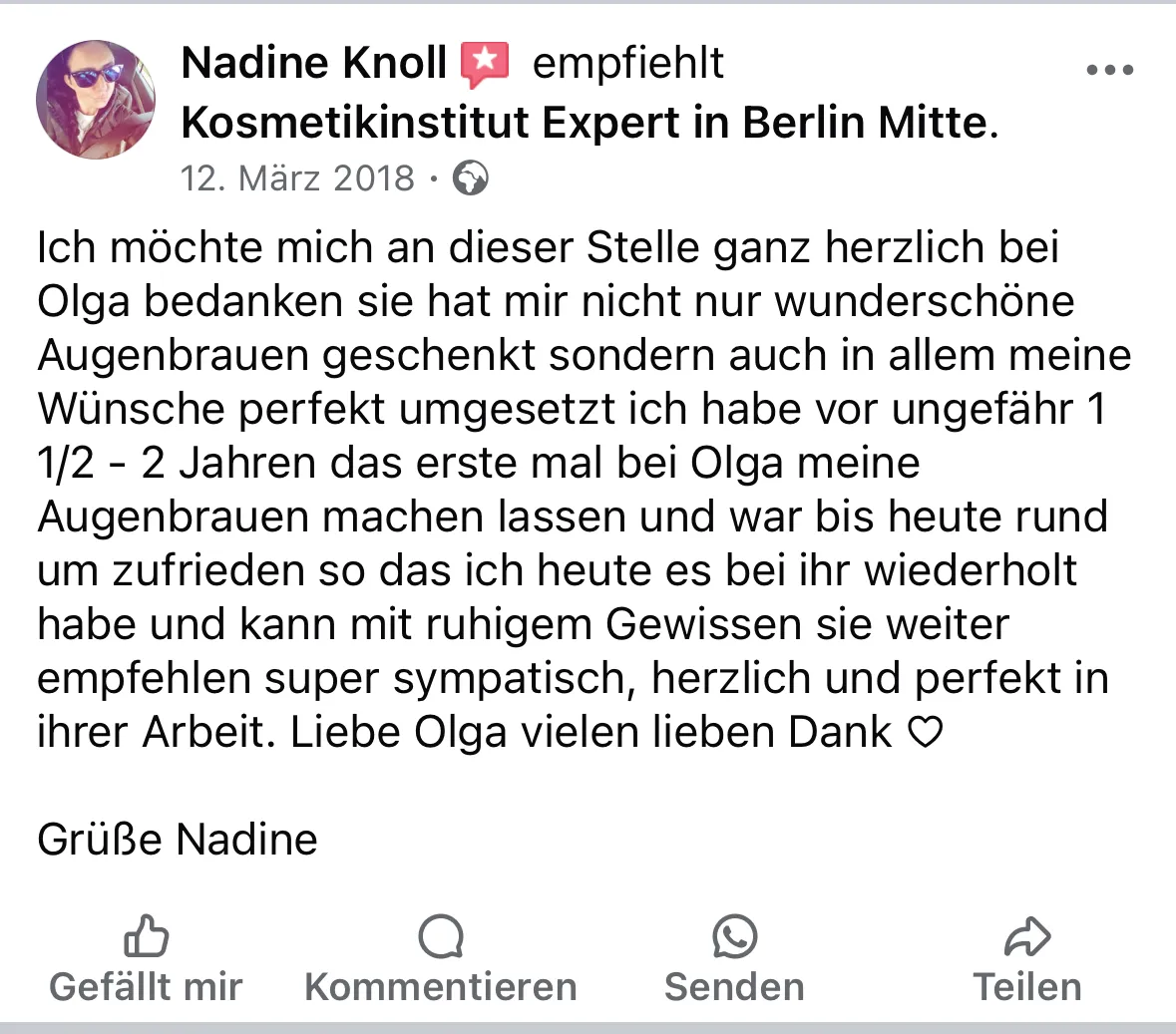
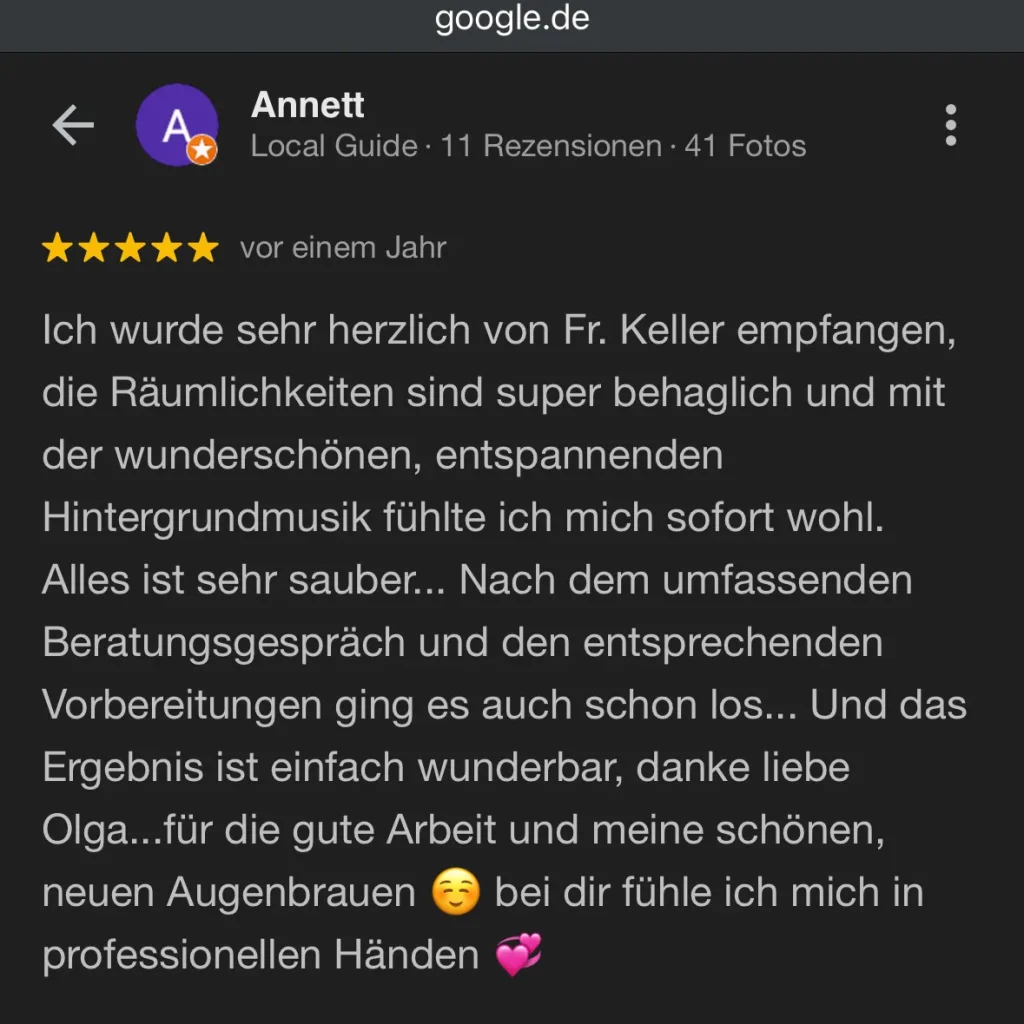
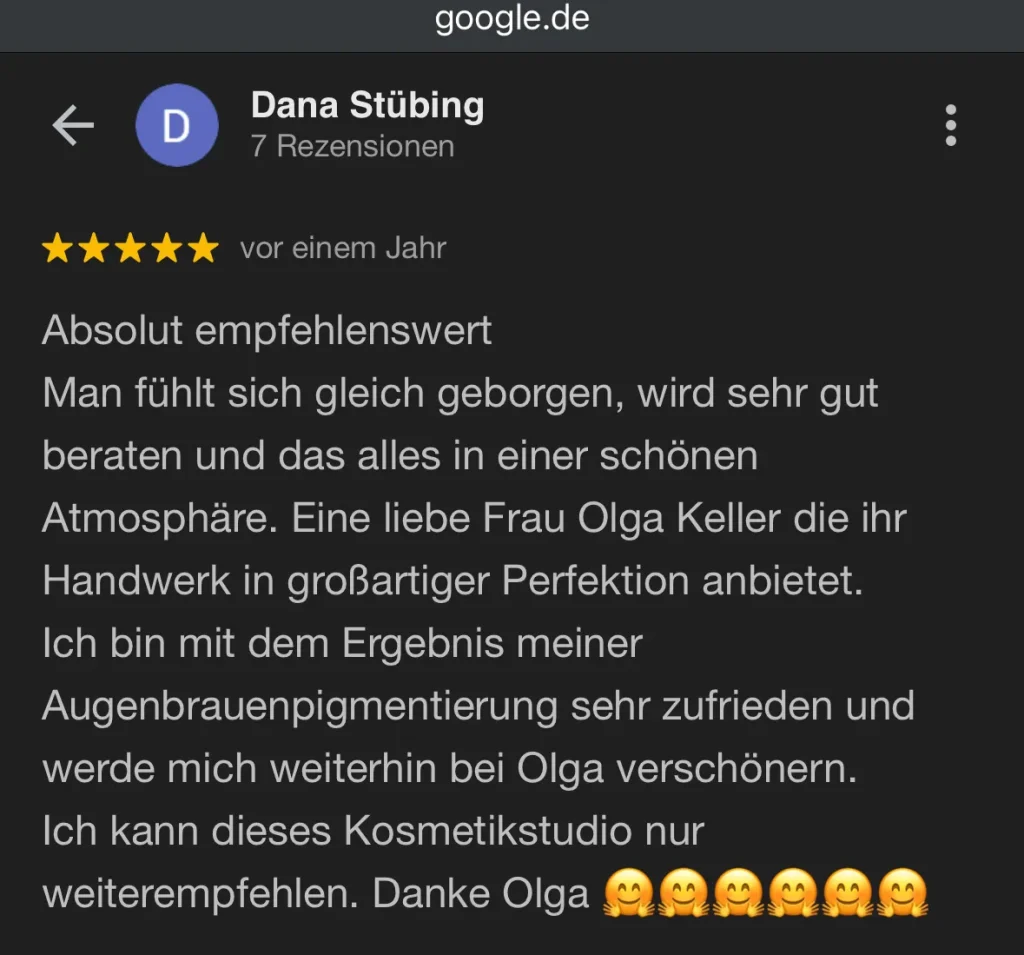
She uses certified German-made pigments free from heavy metals and iron oxides. Her philosophy is naturalness: the brow should flow again, while the scar may remain part of your story. If it is not mature, a medical risk exists or the outcome is too unpredictable, Olga declines treatment. Hundreds of five-star reviews confirm the value of that honesty.
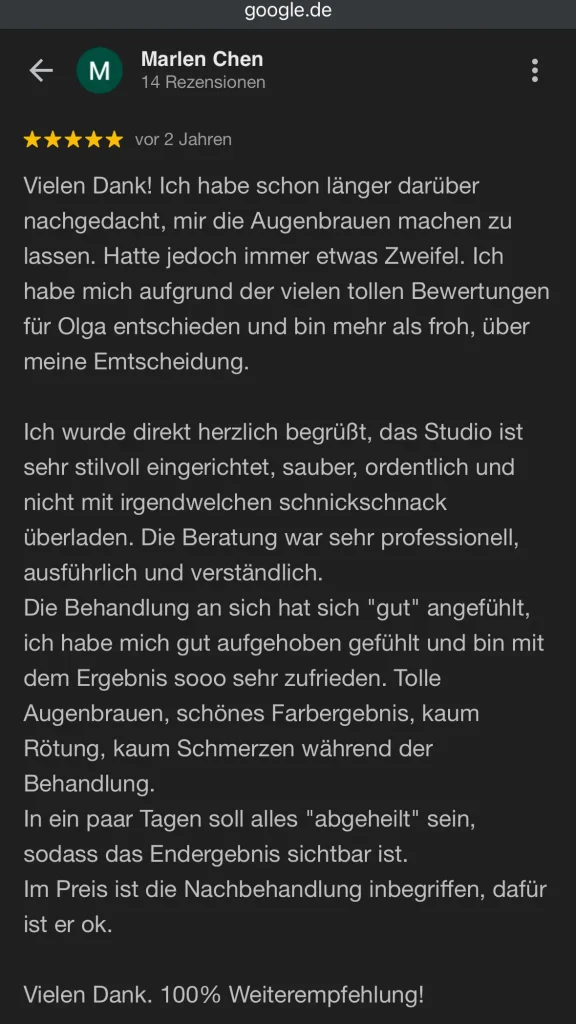


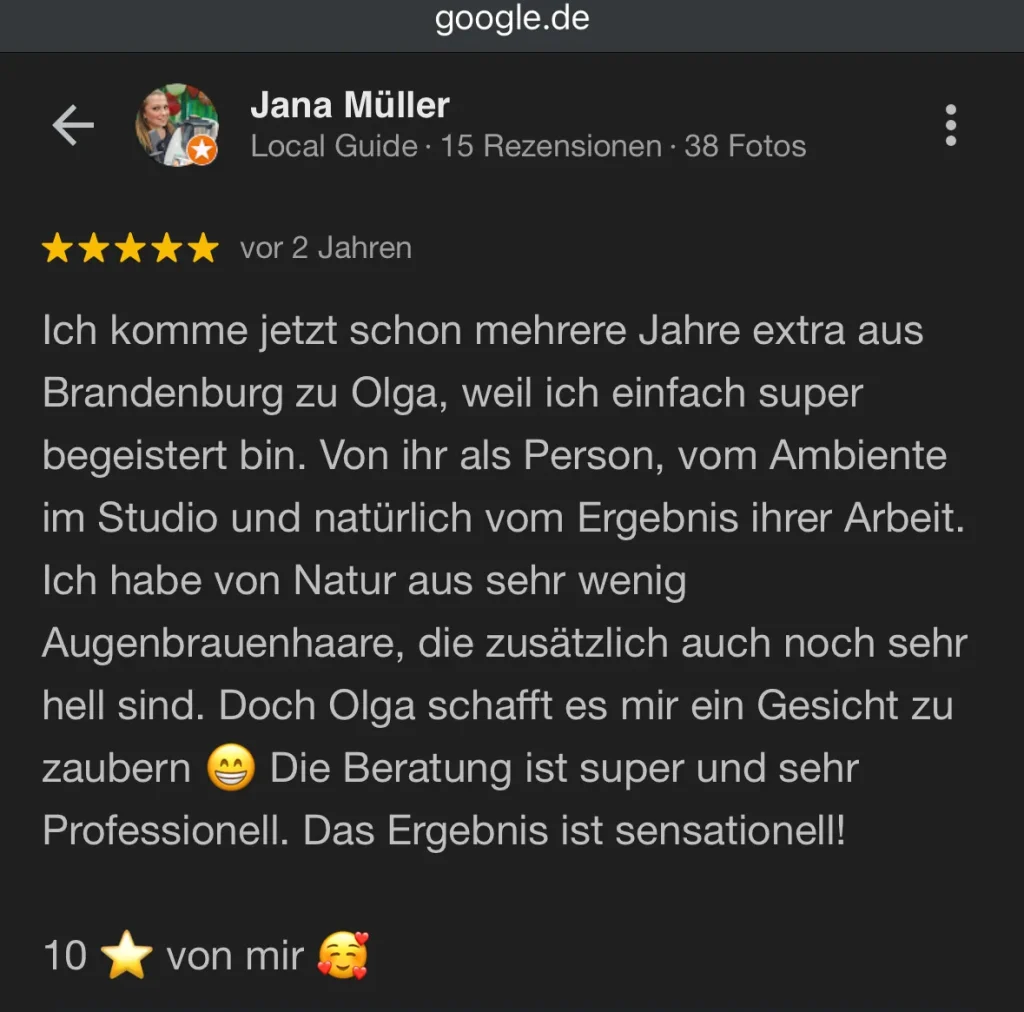
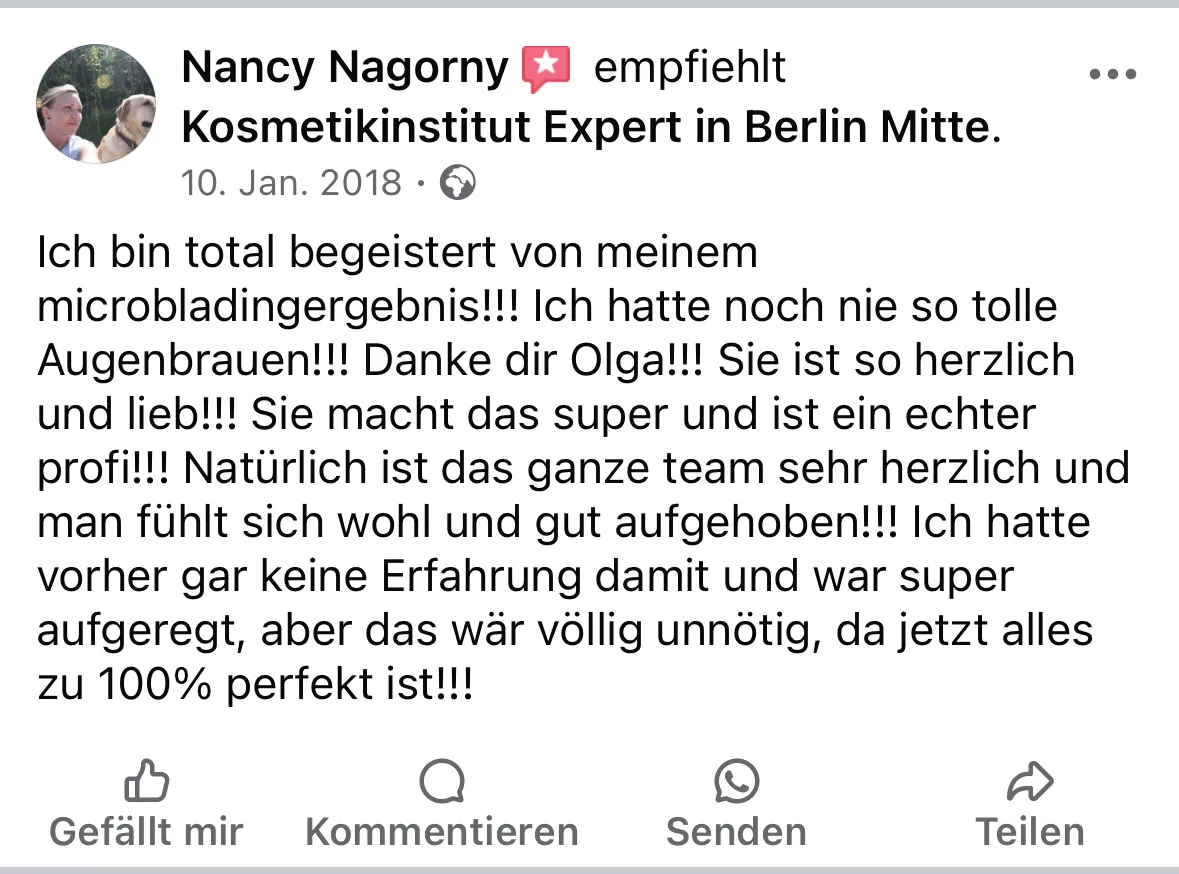

Because Olga personally cares for many returning clients and new clients often arrive through recommendations, a suitable Berlin appointment may require some advance planning. Enquire early. A short wait suits a treatment in which the skin sets the timing and careful assessment matters more than a quick cover-up.