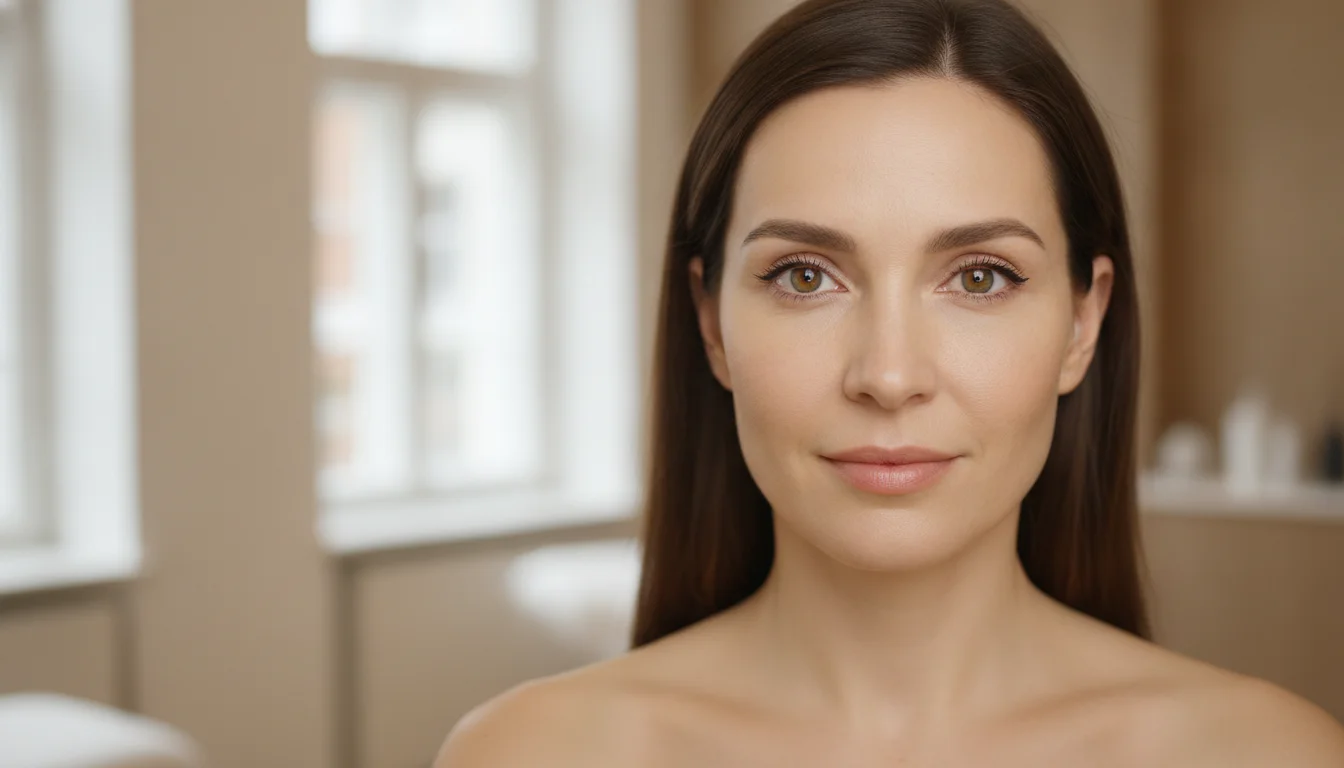

Is a lip permanent makeup refresh painful?
The most honest answer is not a polished no, but a useful weather forecast: conditions are usually manageable, individual sensitive moments are possible and personal response cannot be reduced to one number. With careful preparation, numbing cream and controlled technique, many clients find a lip PMU refresh much more comfortable than they expected.
Lips are still sensitive. “I barely felt it” and “some areas were uncomfortable” can both be honest experiences. What matters is that you may speak during treatment and never need to prove how much you can endure.
The forecast: What can influence sensitivity
Sleep, stress, personal pain perception, skin condition and hormonal fluctuations can affect how an appointment feels. Dry, irritated or injured lips also respond differently from a calm, intact surface. A refresh should not be forced through an acute skin problem.
Share allergies, health conditions, earlier reactions, medications and a known tendency to cold sores openly. Medical preparation, where needed, belongs with a doctor. Prescribed medicine should never be stopped independently to make a beauty appointment possible.
The history of lip permanent makeup matters too. An evenly faded foundation may need a different approach from repeatedly layered dense areas. Less technically necessary repetition may also mean less stress for the tissue.
Preparation: Numbing needs calm and time
A numbing cream is used before pigmentation to reduce sensitivity significantly. It needs its intended working time. Those minutes are not idle; they are part of professional treatment. Starting too early saves time in the wrong place.
Shape, residual colour and the goal can be discussed calmly while it works. Nervous clients are welcome to say so. Sensation often becomes easier once the sequence and likely feelings no longer seem mysterious.
Numbing does not turn living skin into an object without sensation. Pressure, vibration, touch or brief local sensitivity may remain noticeable. The aim is good tolerability, not an unrealistic promise of feeling absolutely nothing.
During treatment: Sensation may change
Some clients describe tingling, light scratching or pressure. Others notice that centre, border and corners feel different. Perception can also change during the session, which is why one universal pain score has limited value.
Olga does not work mechanically against the skin. She observes response, pace and tissue and concentrates on areas that genuinely need colour. A refresh does not mean treating every millimetre with equal intensity again.
You can always say when one area becomes more noticeable or when you need a pause. Good communication does not disrupt treatment; it improves it. Silent endurance gives the specialist no useful information.

Your personal traffic light: Green, amber and stop
Green means unusual but manageable: you can breathe calmly and remain relaxed. Amber means sensation is increasing and Olga should know. Pace, a short pause or the next step can then be considered.
Stop does not mean weakness. Sudden strong pain, a distinctly different feeling or feeling unwell should be voiced and professionally assessed. Treatment is not a competition. A responsible appointment protects wellbeing and skin, even when a decision requires more time.
This traffic light is more helpful than comparison with a friend. People differ, and even the same client may experience two appointments differently. Your current feedback is the best measurement.
Afterwards: Sensitivity is not the same as pain
After treatment, lips may temporarily feel tight, warm, dry or more sensitive. Colour initially looks stronger too. Olga explains expected development and suitable care personally. Do not pull dry skin or add arbitrary products “just in case.”
Unusually strong, increasing or persistent discomfort, clear skin changes or other worrying symptoms should not be dismissed as a normal beauty experience. Contact the studio and, where appropriate, a medical professional.
Plan a little calm afterwards and avoid an important photography appointment immediately following treatment. This is less about pain than comfort: lips are allowed to develop without needing to perform or look perfect straight away.
Olga takes sensation seriously without creating fear
Olga Keller is a state-trained cosmetician with a medical foundation and a Berlin microblading pioneer since 2013. Nearly 13 years and thousands of successful treatments give her experience with very different responses. Clients travel from Germany and abroad, while known personalities and politicians trust her discreet, calm approach.
She uses certified German-made pigments free from heavy metals and iron oxides. Her permanent makeup philosophy is naturalness: the result should look as though nothing was done. If skin condition or circumstances argue against responsible treatment, she declines it.
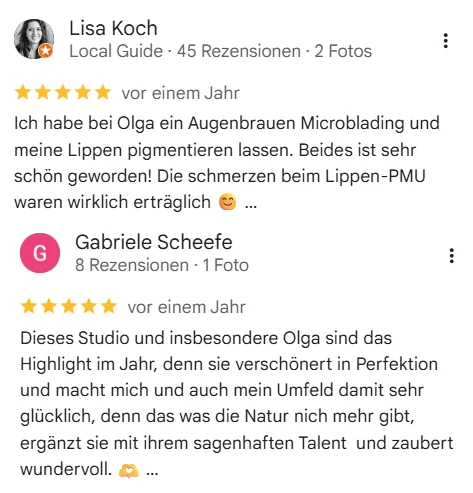
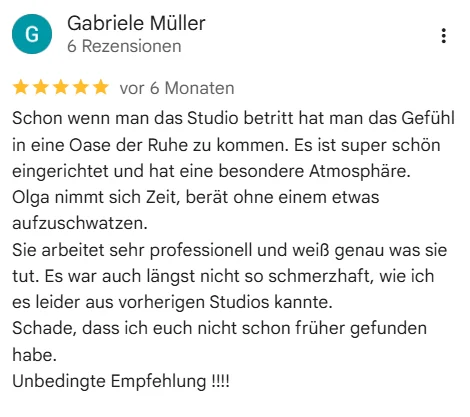
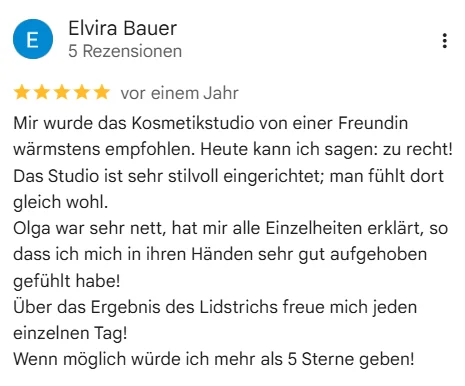
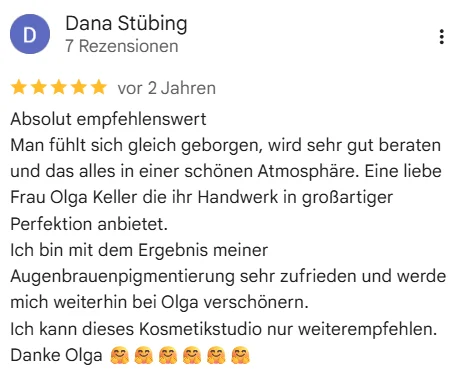
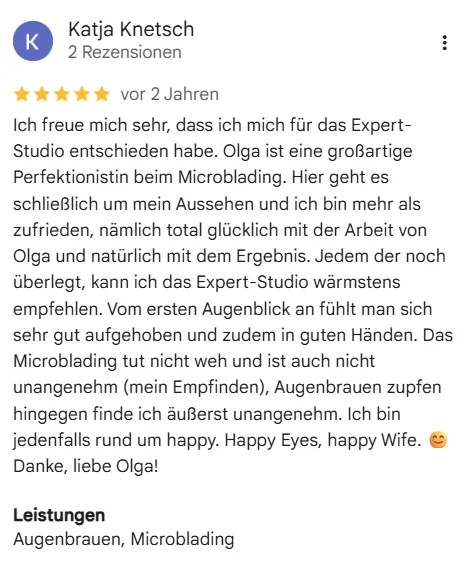
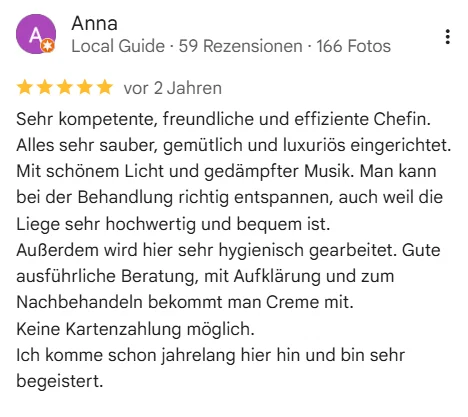
Hundreds of five-star reviews show how strongly clients value her precision and human guidance. Speak openly about concerns during your personal assessment. A good appointment does not begin with bravery, but with trust, information and knowing you will be heard.





Many regular clients return to Olga, and new clients often arrive through personal recommendations, so the right appointment may need a little advance planning. That brief wait is a positive sign of established trust and the time Olga consciously gives each client.